Preventing Electrical Fires in Toowoomba Homes: A Practical Safety Guide
Most Electrical Fires Are Completely Preventable
Electrical fires cause significant property damage across the Darling Downs every year, and the frustrating thing is that nearly all of them start from the same handful of problems: overloaded circuits, ageing wiring, faulty appliances, and outdated switchboards that weren't designed for how we use electricity today. As a licensed Toowoomba electrician, I've seen how small warning signs can be early indicators of a much bigger risk. A warm power point here, a tripping safety switch there. These things don't fix themselves, and ignoring them is how houses end up with fire damage.
This guide covers the most common causes of electrical fires in Toowoomba homes, the warning signs you should never ignore, and the practical steps you can take to protect your property and your family.
How Electrical Fires Start
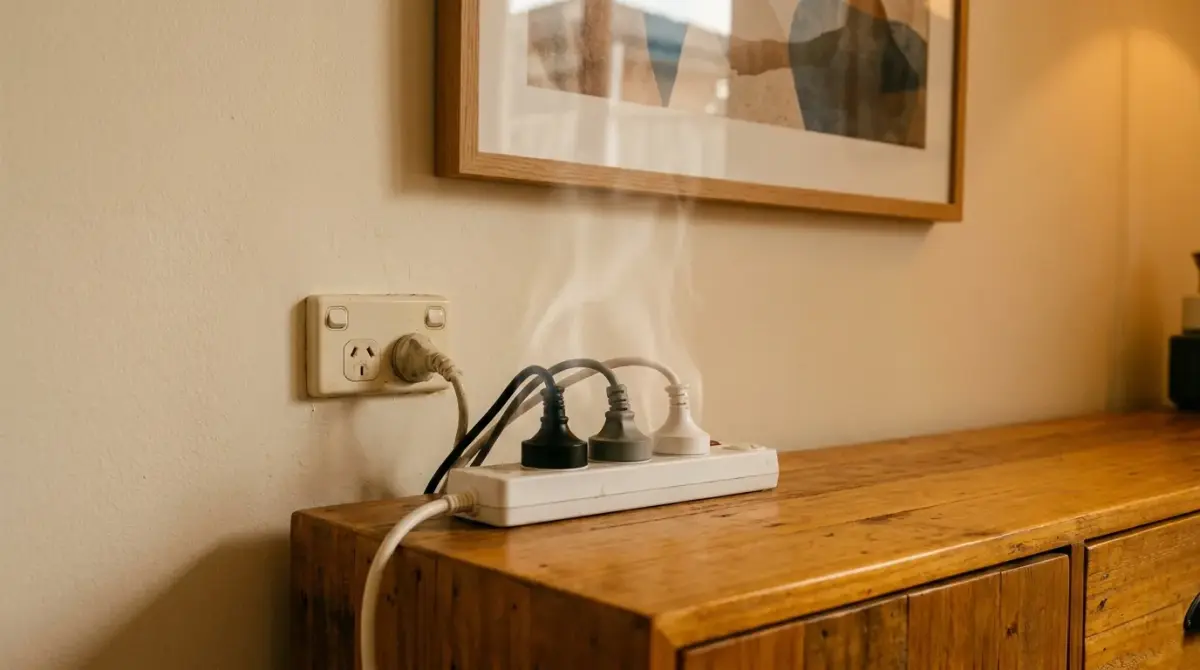
The single biggest cause I see is overloaded circuits and power boards. Modern families run far more devices than most homes were originally wired for. Air fryers, multiple heaters, entertainment systems, home office gear. Plugging all of that into a single outlet through daisy-chained power boards is a recipe for overheating. The wiring inside the walls gets hot, insulation starts to break down, and eventually something gives. If you find yourself constantly relying on power boards, it's probably time to install additional power points or look at upgrading your switchboard capacity.
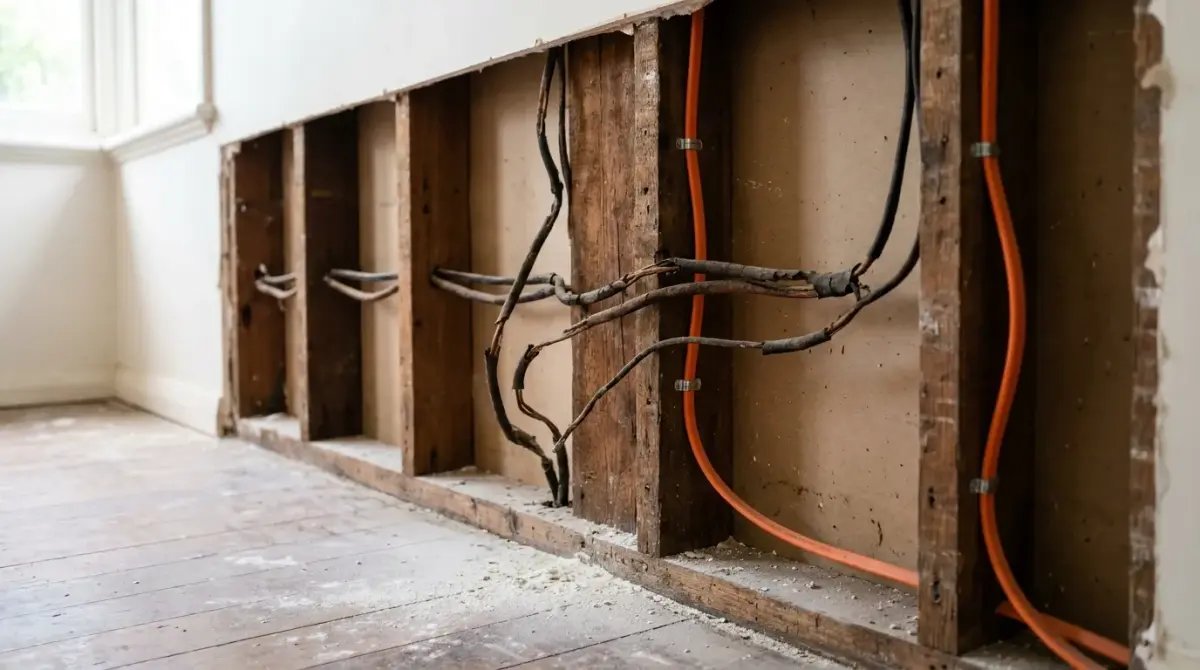
Ageing and damaged wiring is the second major culprit. Many Toowoomba homes built before the 1980s still have their original wiring. Rubber and cloth insulation breaks down over time, and older wiring systems simply weren't designed for the electrical loads we put through them today. Aluminium wiring, while less common, carries a higher fire risk due to how it expands and contracts at connections. Old ceramic fuse boards without RCD protection compound the problem. If your home is more than 30 years old, a switchboard inspection can identify wiring risks before they become emergencies.
Loose connections inside power points, light fittings, or switchboards are another common trigger. A loose connection creates arcing, which is essentially small electrical sparks that generate intense heat. Over time, that heat can ignite surrounding materials. Poor-quality installations, DIY work, general wear and tear, and heat expansion all contribute to connections working loose over the years.
Finally, faulty appliances with frayed cords, damaged plugs, or internal faults cause overheating that can ignite nearby materials. Portable heaters, old kettles, and appliances with damaged power cords are frequent offenders. If an appliance produces a burning smell during use, runs excessively hot around the plug, causes lights to flicker, or trips the circuit repeatedly, stop using it immediately.
Warning Signs That Need Immediate Attention
Electrical fires rarely happen without warning. If you notice a burning smell near power points or your switchboard, outlets that feel warm or hot to the touch, sparking or crackling sounds from switches, frequent tripping of circuit breakers or safety switches, flickering lights or power fluctuations, or discoloured outlets with scorch marks on wall plates, you need to act fast. Any of these signs warrant a professional fault-finding assessment. Delaying only increases the risk.
"We kept having our safety switch trip every time we used the dishwasher. Glenn traced it to a damaged power point that was overheating. It could have caused a fire if we ignored it." — Emma, Harristown
Want this sorted properly?
Glenn quotes most Toowoomba jobs within 48 hours, and the person who quotes is the person who turns up.
Your Fire Prevention Checklist
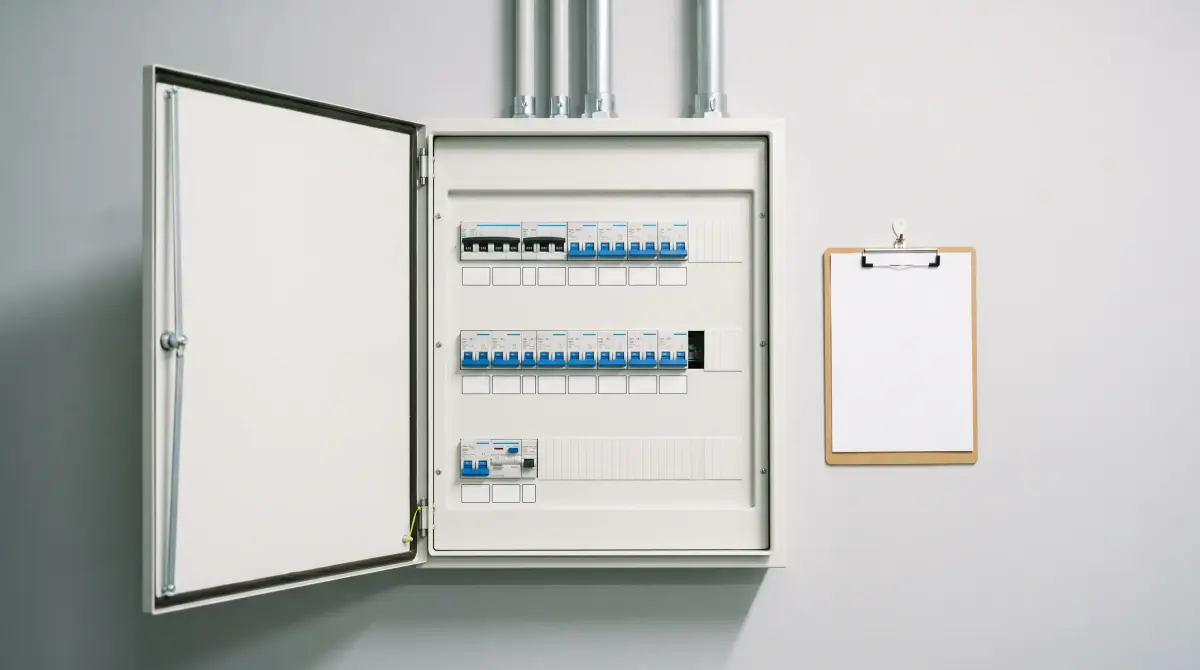
The most effective single thing you can do is upgrade to a modern switchboard. If your home still has ceramic fuses, it's genuinely not safe by modern standards. A compliant switchboard with circuit breakers and RCDs provides faster fault detection, RCD protection across all circuits, better capacity for modern electrical loads, and dramatically reduced risk of overheating. Learn more about switchboard upgrades in Toowoomba.
Safety switches (RCDs) are your next priority. These devices cut power in milliseconds when they detect electrical leakage, preventing both electric shock and reducing fire risk. Test yours every 3 months by pressing the test button, replace old or faulty units immediately, and make sure all circuits are protected, not just wet areas. For full coverage, consider safety switch installation.
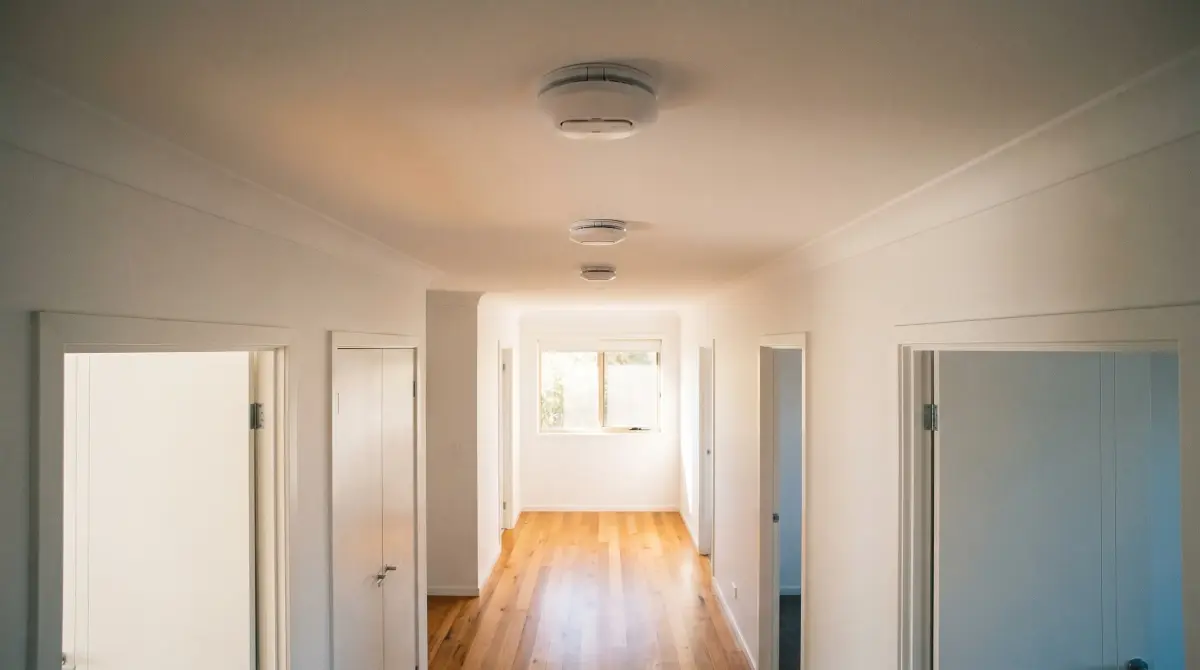
Keep your smoke alarms fully compliant too. They won't prevent a fire, but they save lives by providing early warning. Queensland law now requires photoelectric alarms only, either hardwired or 10-year battery, interconnected across the home, and replaced every 10 years. Book a smoke alarm compliance check if you're unsure where you stand.
Beyond the big-ticket items, simple habits make a real difference. Avoid running multiple heaters on one outlet. Never daisy-chain power boards. Replace frayed or cracked cords on appliances. Unplug things when they're not in use. Keep cords away from heat sources and never run them under rugs. And schedule annual electrical maintenance to catch problems before they become emergencies. The electrical maintenance checklist is a practical resource for planning that.
High-Risk Areas in Your Home
Kitchens combine high-wattage appliances with water, which is a dangerous mix. Stick to one high-draw appliance per outlet, keep power points at least 1.5 metres from sinks, and make sure the circuits have RCD protection.
Laundries see moisture buildup, lint, and water creating conditions ripe for electrical faults. Keep dryer vents clear, ensure outlets are weather-resistant, and clean lint filters regularly.
Roof spaces and garages often contain older wiring, trap heat, and tend to accumulate stored materials near electrical components. Don't store flammable items near wiring, inspect after any roof work, and never do DIY modifications in the roof space.
Outdoor areas cop weather exposure that leads to corrosion and water ingress. Use IP-rated outdoor power points, replace cracked weatherproof covers, and check outdoor circuits before storm season each year.
Heritage Homes Need Extra Attention
Toowoomba's character homes are beautiful, but they frequently contain electrical systems that predate modern safety standards. Low-capacity switchboards, wiring installed decades before current standards, limited power points forcing reliance on overloaded power boards, and no RCD protection are all common findings. If your home was built before the 1980s, a switchboard assessment and upgrade plan that respects heritage features without compromising safety is a smart investment.
Storm Season and Surge Protection
Toowoomba storms can deliver voltage surges that damage appliances and wiring in an instant. Installing surge protection at your switchboard protects your home from these unexpected spikes. During severe storms, unplug sensitive devices. After storms, check outdoor circuits and replace any damaged appliances or cords straight away.
If You Suspect an Electrical Fire Risk
Turn off power at the switchboard if it's safe to do so. Stop using the affected outlet or appliance immediately. Call a licensed electrician for assessment. Do not attempt DIY repairs, as it's both unsafe and illegal under Queensland's Electrical Safety Act 2002.
If there's smoke, sparking, or a burning smell, treat it as an emergency and call 000.
Preventing electrical fires in your Toowoomba home really comes down to three things: keep your switchboard and safety switches modern and compliant, reduce overload risks with proper power point planning, and act quickly when warning signs appear. If you're unsure about your home's electrical safety, a professional inspection is the fastest way to identify and eliminate risks.
Call Glenn on 0489 082 307 or get a free quote for an electrical safety inspection.