Heritage Home Electrical Upgrades in Toowoomba: Preserve Character, Improve Safety
The Charm is Real, But So Are the Risks
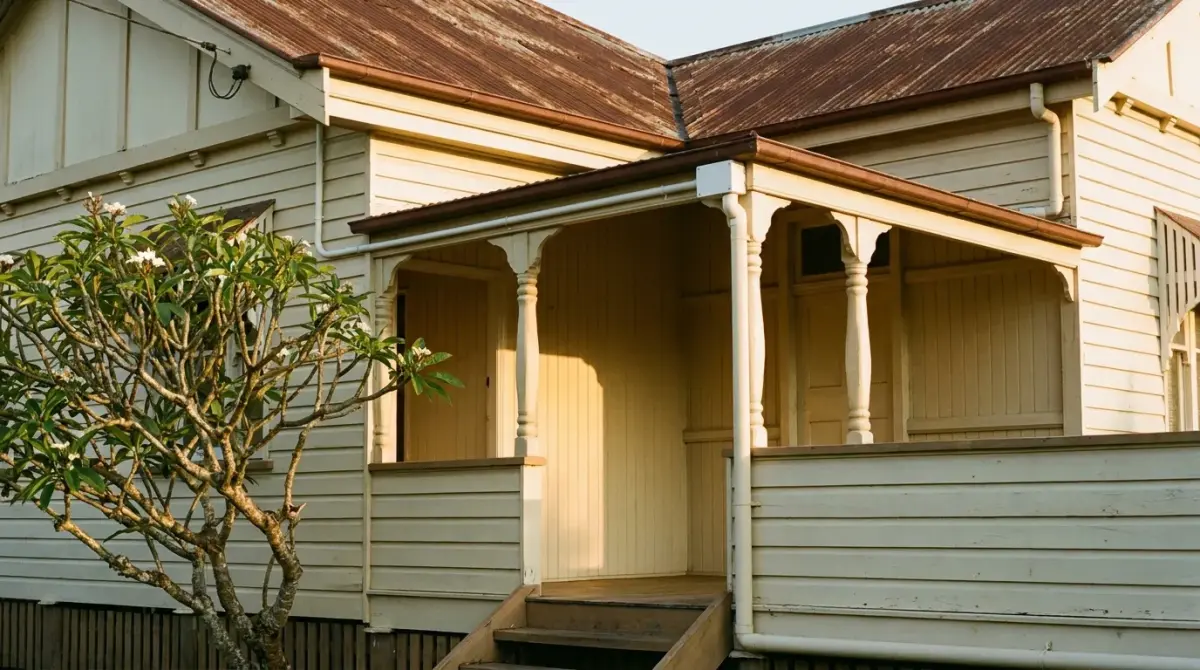
Toowoomba has some of the most beautiful heritage homes in Queensland. Queenslanders with wide verandahs, character cottages tucked along tree-lined streets, federation homes with ornate ceilings and VJ walls. If you own one, you already know the appeal. You probably also know the quirks.
Behind those stunning cornices and timber architraves, the electrical system is often decades old. I regularly work in heritage homes across East Toowoomba, Newtown, and Rangeville where the wiring dates back to the 1940s or 50s. Rubber insulation crumbling off the cables, ceramic fuse boards with no safety switch protection, and maybe two power points in an entire bedroom. It was fine for a house running a wireless radio and a couple of lamps, but it is not fine for a modern family running air conditioning, a kitchen full of appliances, and devices charging in every room.
The good news is you can modernise the electrical system in a heritage home without wrecking the character. It takes careful planning and a bit of patience, but it absolutely can be done.
Why Heritage Homes Need Electrical Upgrades
Most heritage electrical issues come down to age. The wiring, switchboard, and circuits were designed for a completely different era of electrical use. Over the decades, previous owners have often added to the system in ways that range from creative to genuinely dangerous.
Old rubber or cloth-insulated wiring becomes brittle over time. The insulation cracks, exposes copper conductors, and creates serious risks of electric shock and electrical fire. I have pulled cables out of heritage roof spaces where the insulation simply crumbles in your hand. That is not a system you want protecting your family.
Ceramic fuse switchboards are another constant in heritage homes. These boards offer no RCD (safety switch) protection at all, which means there is nothing to cut the power if a fault sends current through a person instead of the circuit. Under the Queensland Electrical Safety Act 2002 and AS/NZS 3000, modern safety switch protection is required, and a ceramic fuse board simply cannot provide it.
Then there is the capacity problem. Heritage homes were not built for modern electrical loads. Limited circuits mean homeowners rely heavily on power boards and double adapters, which overloads circuits that were never designed to carry that much current. Add in smoke alarm non-compliance, with many heritage homes still running old battery ionisation alarms instead of the photoelectric interconnected systems now required under Queensland legislation, and you have a property that needs attention.
How I Approach Heritage Electrical Upgrades
Every heritage home is different, so a proper electrical assessment is always the starting point. I inspect the switchboard, trace the wiring through accessible areas like the roof space and subfloor, check the condition of power points and light fittings, and test the earthing system. This gives a clear picture of what is compliant, what is borderline, and what needs replacing.
The switchboard upgrade is usually the first priority. Replacing the old ceramic fuse board with a modern switchboard fitted with RCDs and circuit breakers makes the entire home safer immediately. It also provides capacity for additional circuits, which most heritage homes desperately need.
If the wiring has deteriorated, sections will need replacing with modern TPS cabling. In a heritage home, the key is routing new cables through existing pathways wherever possible. I use roof space access, subfloor access, and existing cable routes to minimise the need to cut into walls or ceilings. For homes with ornate plasterwork ceilings or decorative cornices, this careful approach makes a real difference.
Adding circuits and power points is the next step. Rather than running the kitchen, living room, and bedroom off a single overloaded circuit, we split the loads properly and install outlets where you actually need them. No more daisy-chained power boards.
For smoke alarm compliance, wireless interconnection is often the best solution in heritage homes. Hardwired interconnection is ideal, but running new cables through ornate ceilings for alarm interconnection alone is not always practical. Wireless photoelectric alarms meet Queensland requirements and avoid unnecessary damage to heritage features.
Want this sorted properly?
Every job's different, so Glenn looks at it before he puts a number on it. The person who quotes is the person who turns up.
Preserving What Makes the Home Special
This is where heritage electrical work differs from a standard house rewire. You cannot just cut channels into VJ walls or punch holes through decorative plasterwork without thinking about it first. The whole point is to improve safety without losing the character that makes the home worth preserving.
I use a combination of roof access, underfloor access, and discreet cable routing to keep things hidden. Where cables need to transition between floors or wall cavities, I plan routes that follow existing structures like skirting boards, architraves, and cornices rather than cutting new paths through visible surfaces. For particularly tricky runs, surface-mounted conduit in discreet locations can work well, especially in less visible areas like pantries or laundries.
Period-appropriate light switches and power points are available for homeowners who want their electrical fittings to match the home's character. LED lamps can be fitted into heritage light fixtures to improve efficiency without changing the look of the room.
Common Heritage Upgrade Projects
The most common job I do in Toowoomba heritage homes is a switchboard replacement combined with additional circuits. The old fuse board comes out, a modern switchboard goes in, and we add circuits so the home can handle modern loads safely. This single upgrade addresses the biggest safety risks and sets the home up for future work.
Whole-home rewires are common in older Queenslanders where the wiring has genuinely reached the end of its life. This is a bigger project, but it protects the property long-term and is often done in stages to manage cost and disruption.
Lighting upgrades are popular too. Many heritage owners choose LED downlights or update their pendant fixtures, gaining energy efficiency without compromising the home's aesthetic. And smoke alarm compliance, done with wireless interconnection, gets every alarm sounding together without running cables across those ornate ceilings.
What Heritage Electrical Upgrades Cost
Costs depend entirely on the house, but here is where this work has generally landed on heritage jobs I've done around Toowoomba:
- Switchboard upgrade: $2,000 to $5,000, depending on the board, the main cable and whether there's asbestos backing behind it
- Partial or full rewire: too variable to put a number on without seeing the place, because it comes down to access, the state of the cable and how much of the house has to come apart
- Smoke alarm upgrades: $135 to $180 per alarm, supplied, installed and interconnected
- Additional power points: $250 to $600 per point, depending on where it goes, how far it is from the board and what the walls are made of
Heritage homes generally involve more labour than a standard property because of the care required to access cavities and preserve features. That said, the investment protects both your family's safety and the value of a home that is genuinely irreplaceable.
Staging Your Upgrade to Manage Cost
You do not have to do everything at once. Many heritage homeowners take a staged approach that keeps the home safe while spreading costs over months or even years.
The logical order is to start with the switchboard upgrade, because that delivers the biggest safety improvement. From there, rewiring high-risk areas like the kitchen and bathroom comes next, followed by adding circuits and outlets, and finally upgrading lighting and smoke alarms. Each stage builds on the last, and each one leaves the home in a better position than before.
Getting Started
If your Toowoomba heritage home still has its original electrical system, or you are not sure what condition the wiring is in, an electrical assessment is the best first step. I will inspect the property, identify what needs attention, and put together a practical plan that respects both the home's character and your budget.
I have spent over a decade working on Queensland heritage homes, and I genuinely enjoy the challenge of getting the electrical right without compromising the features that make these homes special. Every job gets an Electrical Safety Certificate, and I treat every heritage property with the care it deserves.
Book a Heritage Home Electrical Assessment
Every heritage home throws up something different, so I'd rather look at yours before putting a number on it. Get in touch or call Glenn on 0489 082 307.