
Why Sensor Lights Over Standard Outdoor Lights?
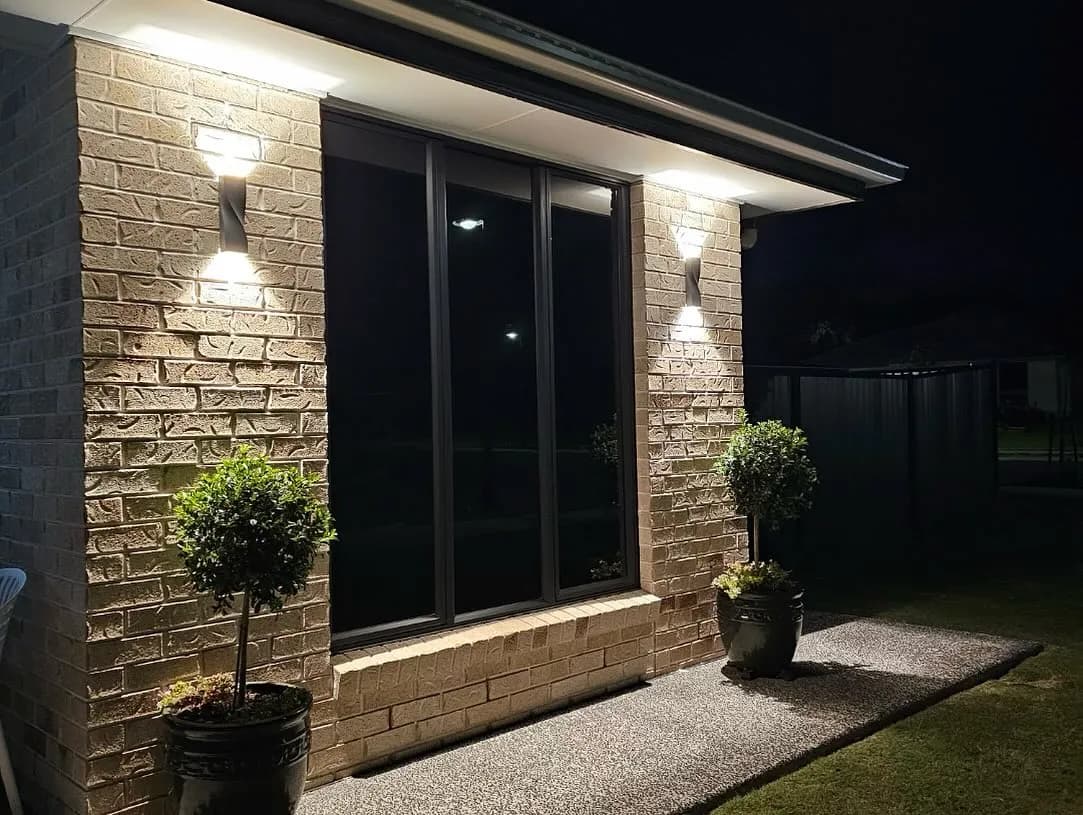
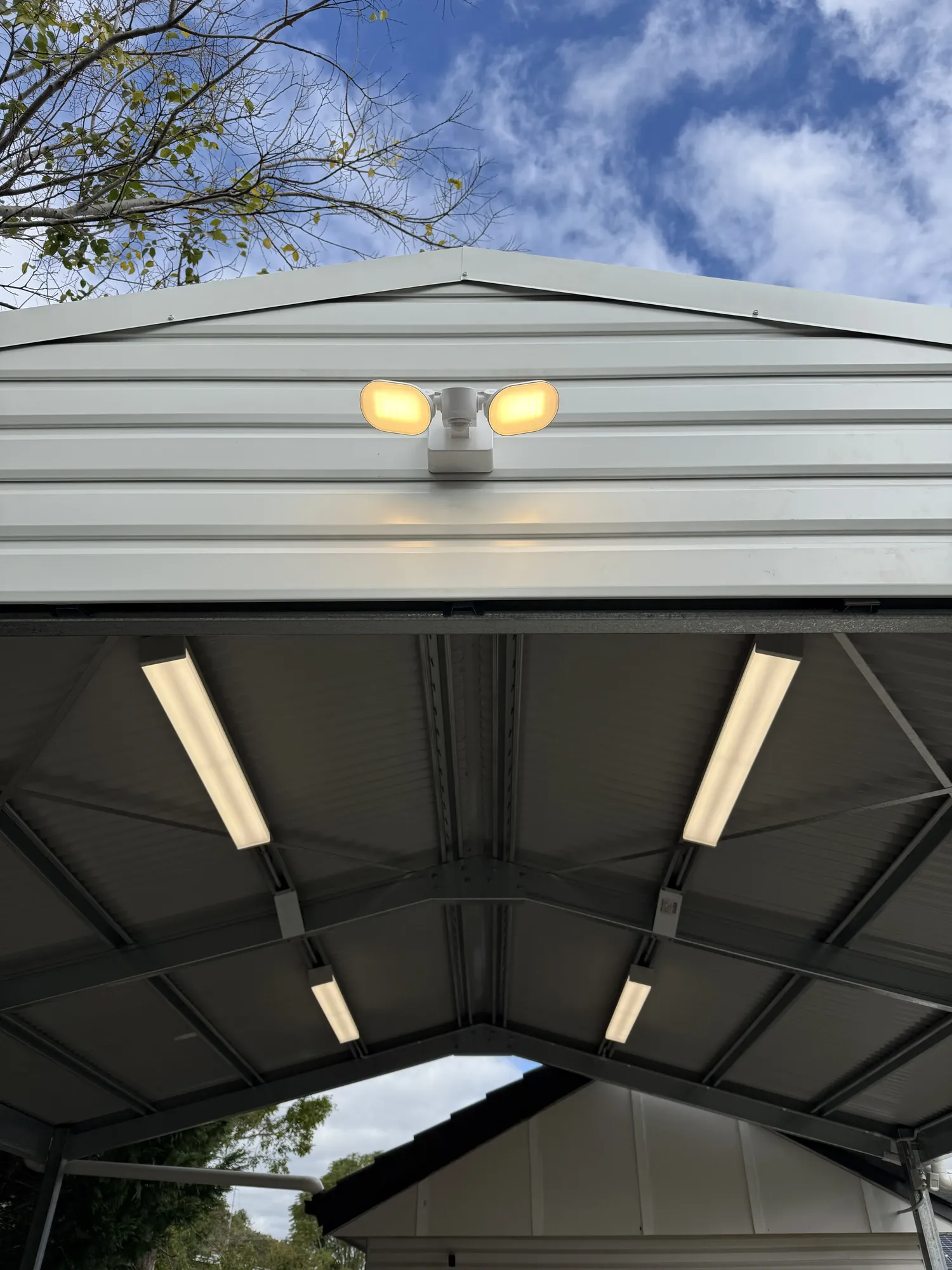
Sensor lights offer four key advantages over traditional continuous outdoor lighting: automatic hands-free operation exactly when needed, dramatic energy savings (operating only when triggered costs $5-$15 annually vs $30-$60 for continuous), superior security through sudden illumination that deters intruders and alerts occupants, and reduced light pollution affecting neighbours and wildlife.
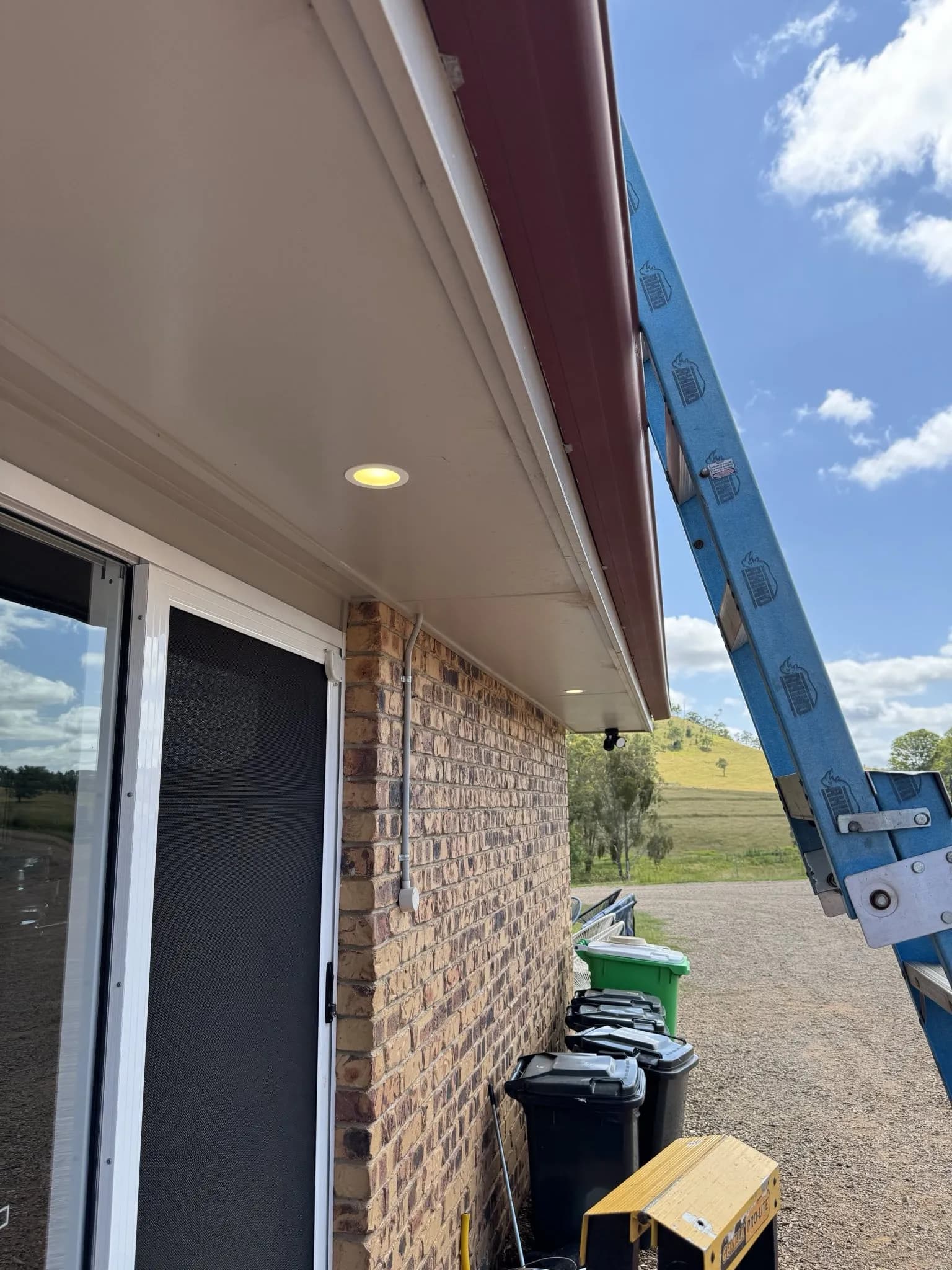
Detection Range and Sensitivity: Typical residential sensors cover 8-12 metres with 140-180 degree detection angles — adequate for driveways, pathways, and entry areas. Wider ranges (12-15m) suit larger properties. Glenn adjusts sensitivity to prevent false triggers from pets, wildlife, or passing street traffic while ensuring reliable detection of people approaching the property.
Dusk-to-Dawn Operation: Most sensor lights include photocell sensors preventing daytime activation — they operate only after dark, conserving energy and preventing unnecessary activation.
Timer Settings: Adjustable from 10 seconds to 15 minutes. Most residential locations work best with 30 seconds to 2 minutes. Longer durations suit areas requiring extended illumination like unloading vehicles.
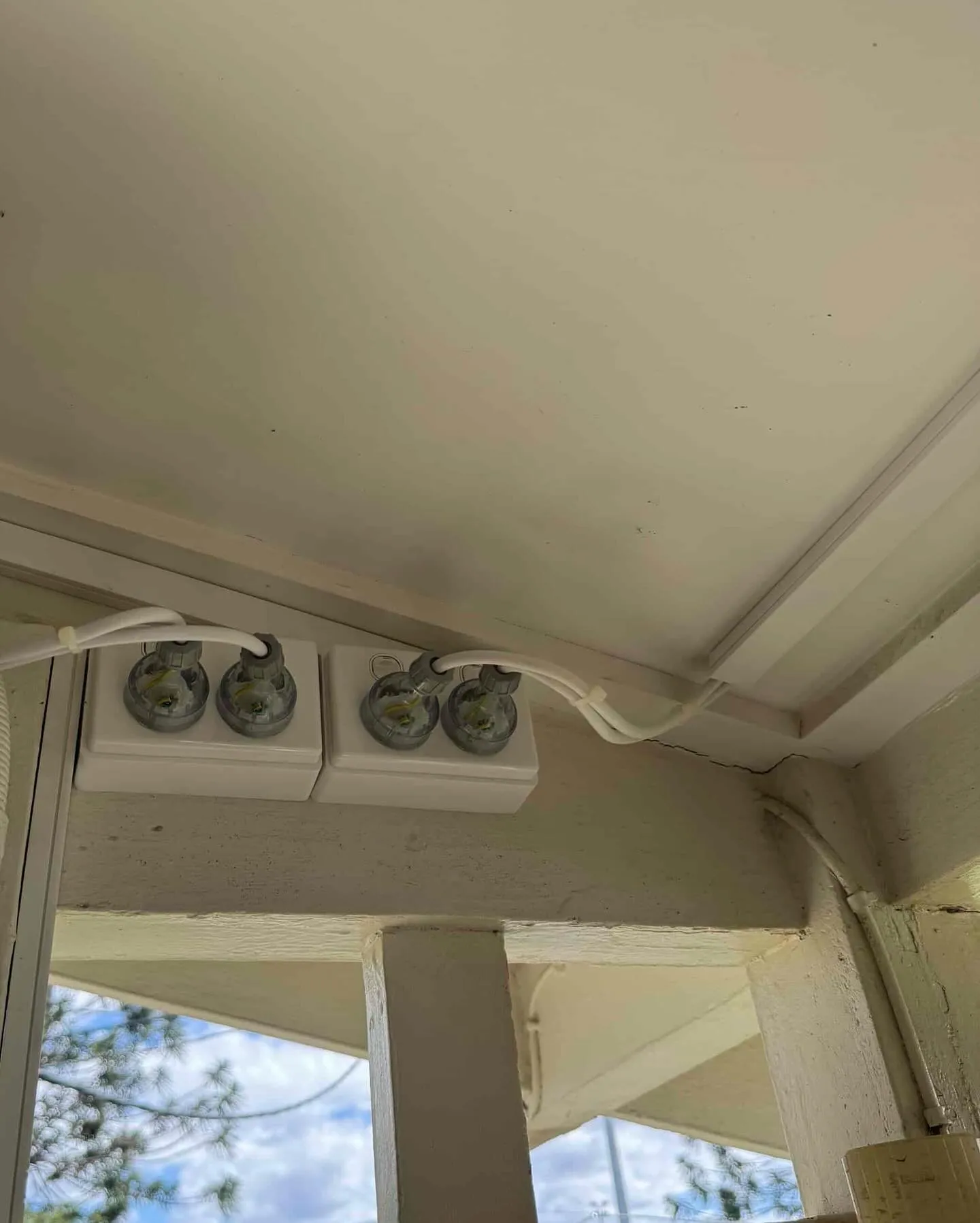
Manual Override: Most installations include wall switches enabling manual control — switch off temporarily to disable, switch on for continuous illumination, return to middle position for automatic sensor operation.
Pet Immunity: Modern sensors incorporate pet-immunity features. Professional positioning (aiming downward from 2.5-3m height rather than toward ground level) and sensitivity adjustment significantly reduce nuisance activations from pets and wildlife.