
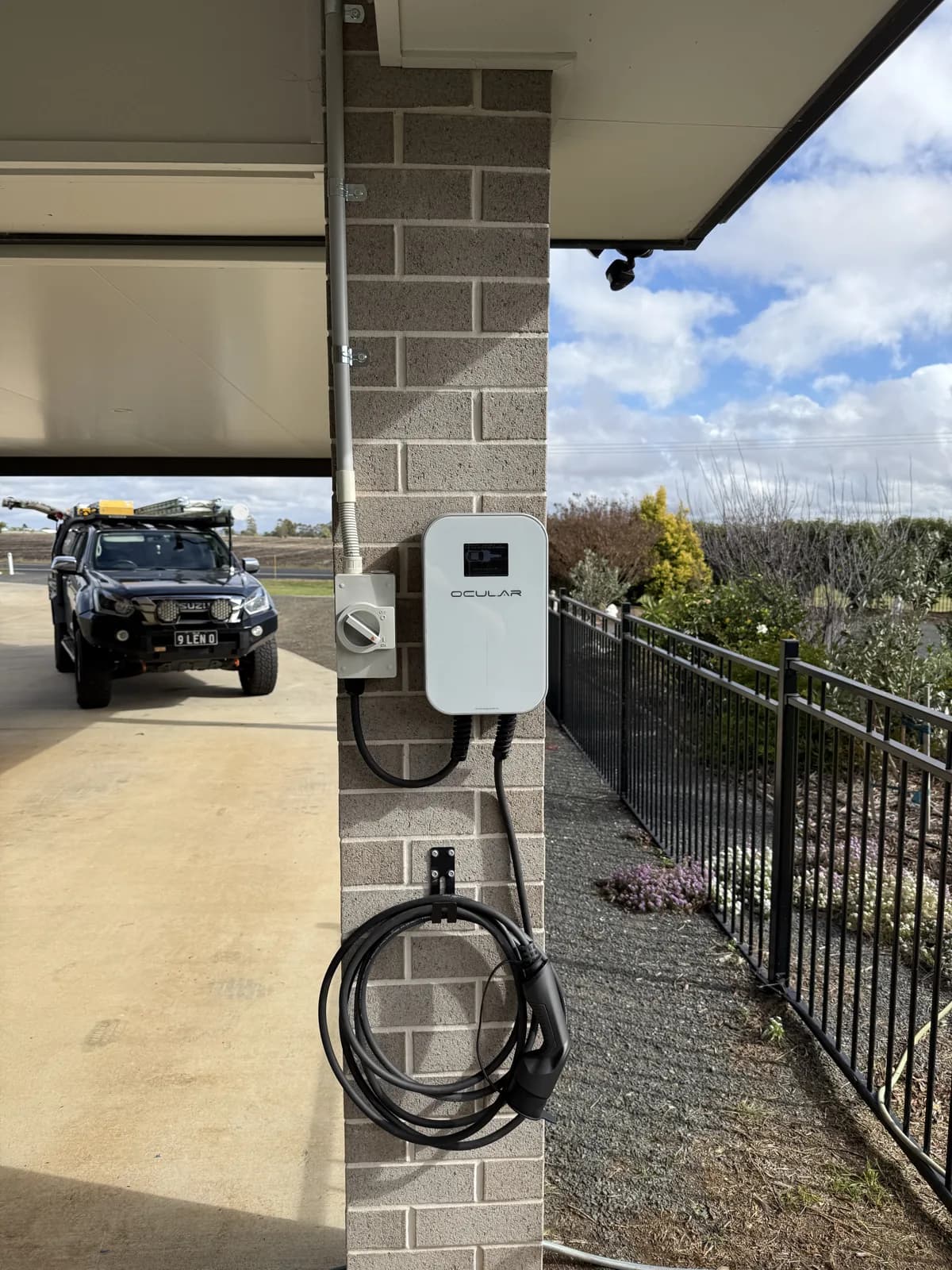
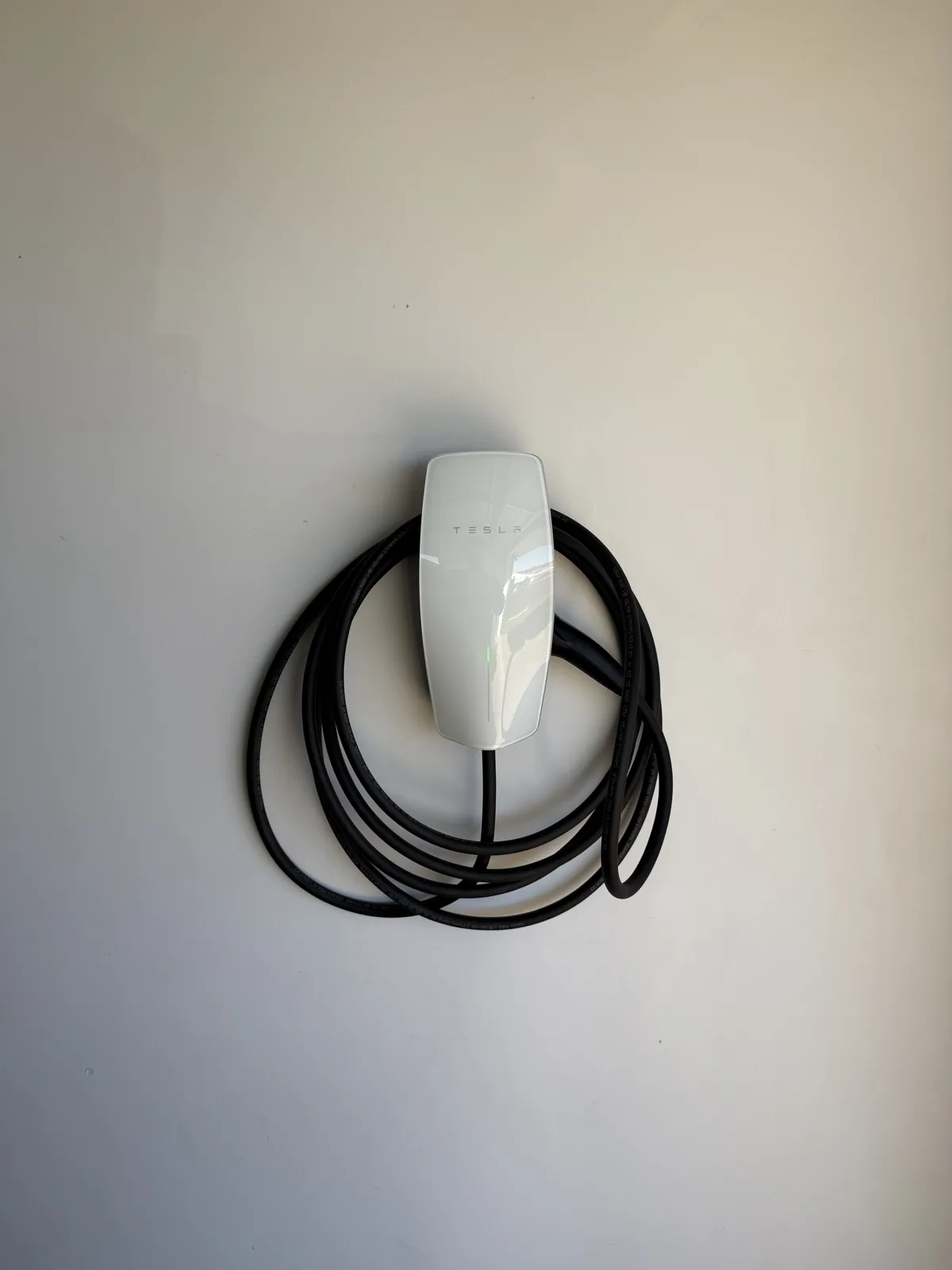
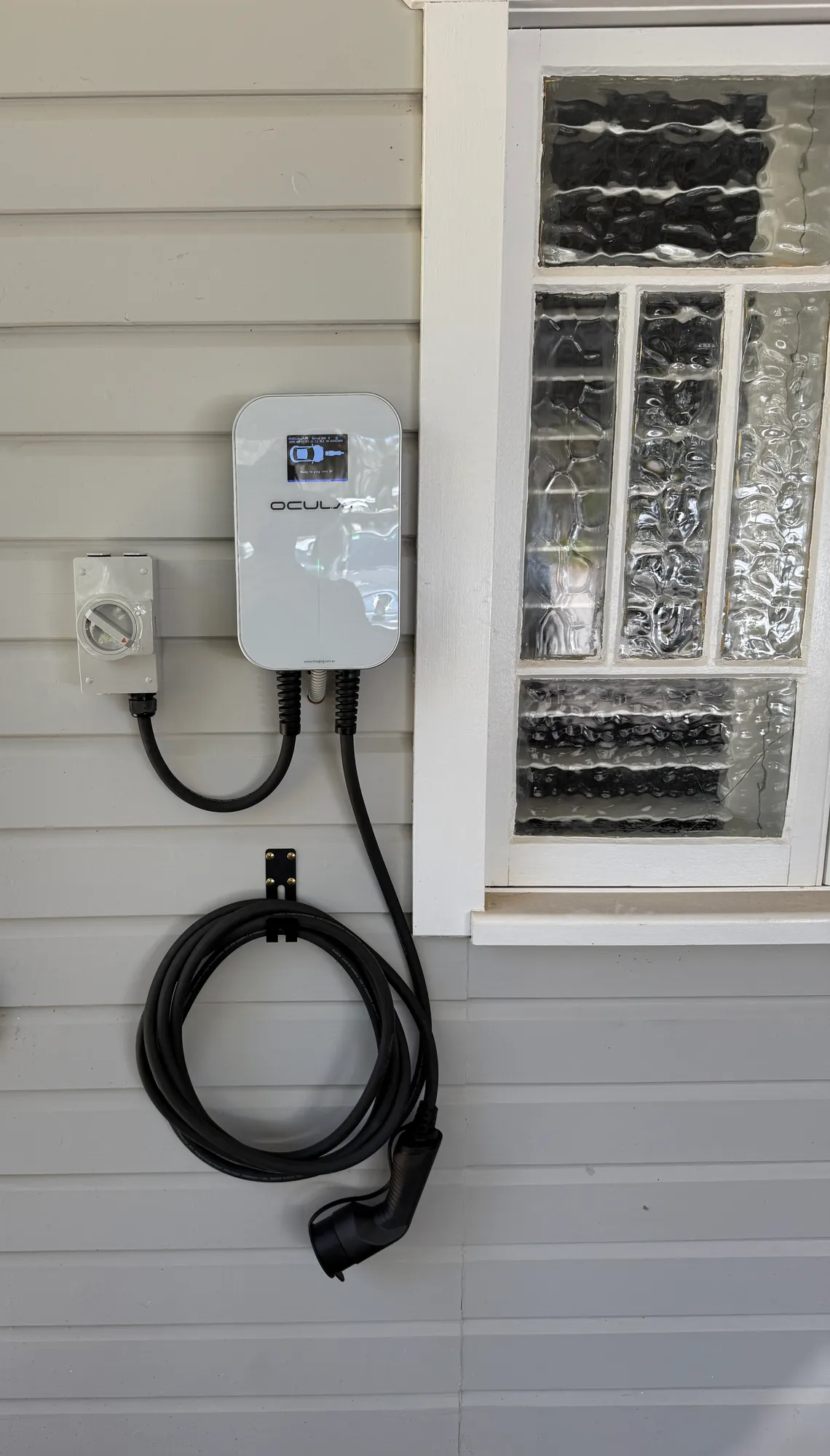
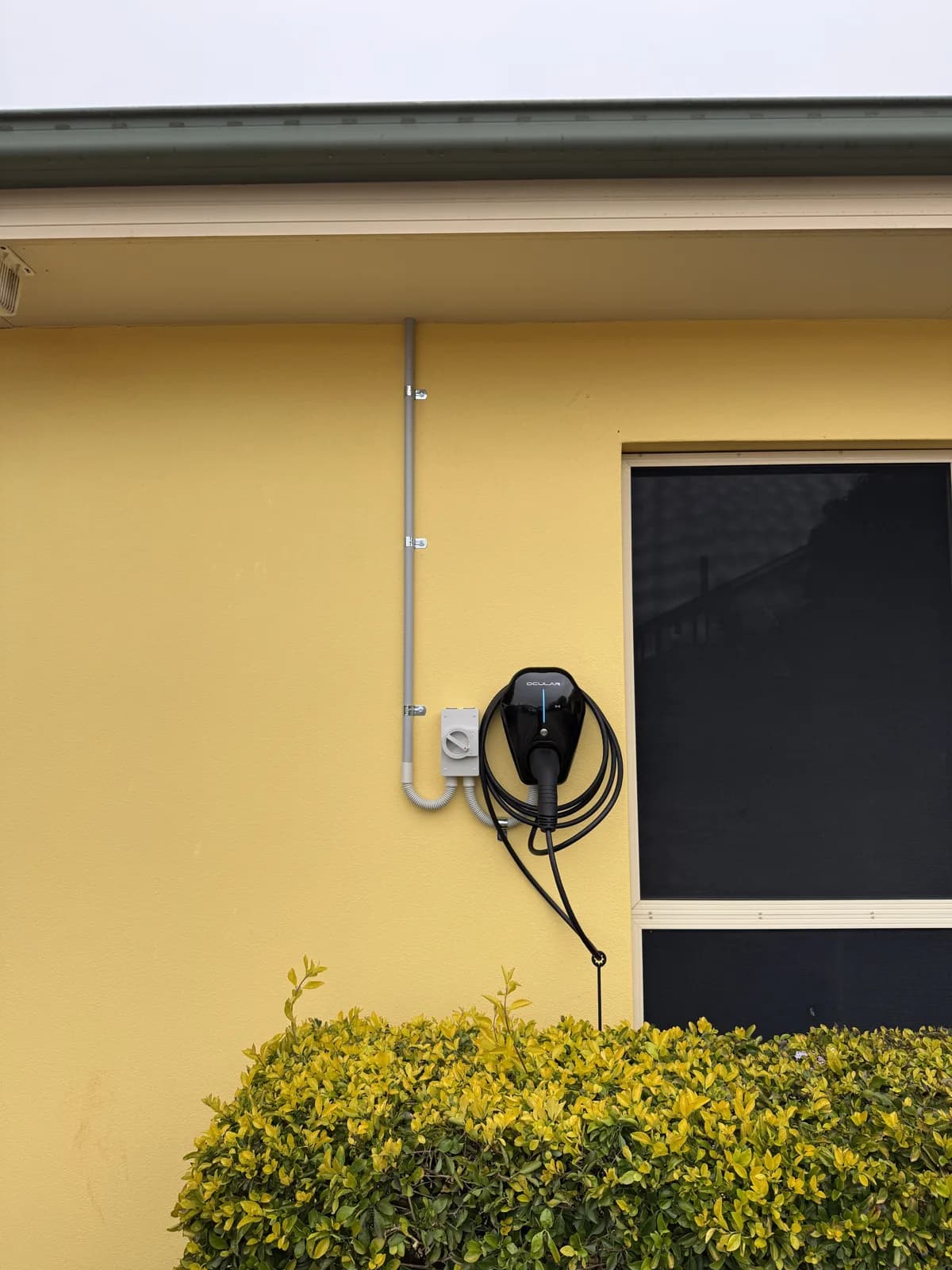
For most single-phase Queensland homes, Glenn steers customers toward the 20A primary tariff connection (4.6kW). It's a bit slower charging than a 32A setup, but it's the easiest option by far — Ergon doesn't need to be involved, so there's no extra approvals, relay charges, or waiting on the network provider.
Your power is always available (no controlled-load interruptions during peak periods), and you can charge from your solar panels during the day. For the average commuter doing 40–80km daily, overnight charging on a 20A connection tops you up with plenty to spare.
It's also worth knowing that most cars won't always draw the full 32A (7kW) anyway. The actual charging speed depends on the vehicle's state of charge, its own internal settings, and even the ambient temperature. So the real-world speed difference between 20A and 32A is often smaller than it looks on paper.
For 32A setups with active management, Ergon charges will apply — not just "may". That's an additional cost on top of installation.
Three-phase customers have a different situation entirely. With three-phase power, you can run a 32A charger at 22kW without any Ergon involvement — they only start requiring notification above 40 amps per phase. If your home has three-phase supply, Glenn will recommend taking full advantage of that capacity.
Glenn assesses every property individually. He checks your switchboard, confirms whether you're single or three-phase, reviews your driving habits, and recommends the connection that genuinely suits your situation — not the most expensive one.