LIC 91375
5-Star
0489 082 307
    QLD Smoke Alarm Laws Explained: What Toowoomba Property Owners & Landlords MUST Know
    Safety & Compliance

    QLD Smoke Alarm Laws Explained: What Toowoomba Property Owners & Landlords MUST Know

    G
    Glenn
    Licensed Electrician · QLD Electrical License 91375 | 10+ Years Experience
    20 January 2026

    Queensland's Smoke Alarm Laws Have Teeth

    I get calls every week from Toowoomba homeowners and landlords who've just found out their smoke alarms aren't compliant. Sometimes it's a property manager flagging an issue before a new lease. Sometimes it's a conveyancer halting a settlement because the Form 24 smoke alarm declaration can't be signed. Either way, the conversation usually starts with "I had no idea the rules had changed."

    Queensland rolled out some of the toughest smoke alarm laws in Australia, and compliance isn't optional. If you own property in Toowoomba, whether you live in it, rent it out, or plan to sell it, you need to understand exactly what's required.

    Why This Matters Beyond Just Following Rules

    Compliant smoke alarms provide the earliest possible warning of a fire. That sounds obvious, but consider what's at stake. A working, interconnected photoelectric system can give your family 20 to 30 minutes of additional warning for smouldering fires compared to an old ionisation alarm. During a nighttime fire, that's the difference between everyone getting out safely and a tragedy.

    Beyond the safety argument, there are hard financial reasons to get this sorted. Queensland imposes significant fines for non-compliance, particularly on landlords who fail to maintain compliant alarms in rental properties. Insurance is the other big one. If your home suffers fire damage and your insurer finds non-compliant alarms, your claim could be reduced or rejected entirely. We're talking about potentially hundreds of thousands of dollars in uninsured losses.

    For anyone selling or leasing property, compliance must be in place before settlement or lease commencement. No exceptions.

    "We were planning to sell our East Toowoomba home and discovered during the pre-listing inspection that our smoke alarms weren't compliant. Glenn came out within two days, installed interconnected photoelectric alarms throughout the house, and provided the certification we needed for settlement. Professional service that removed a major sale obstacle." — Jennifer T., East Toowoomba

    The Five Requirements You Need to Know

    The legislation is built around Australian Standard AS 3786, and it boils down to five specific requirements.

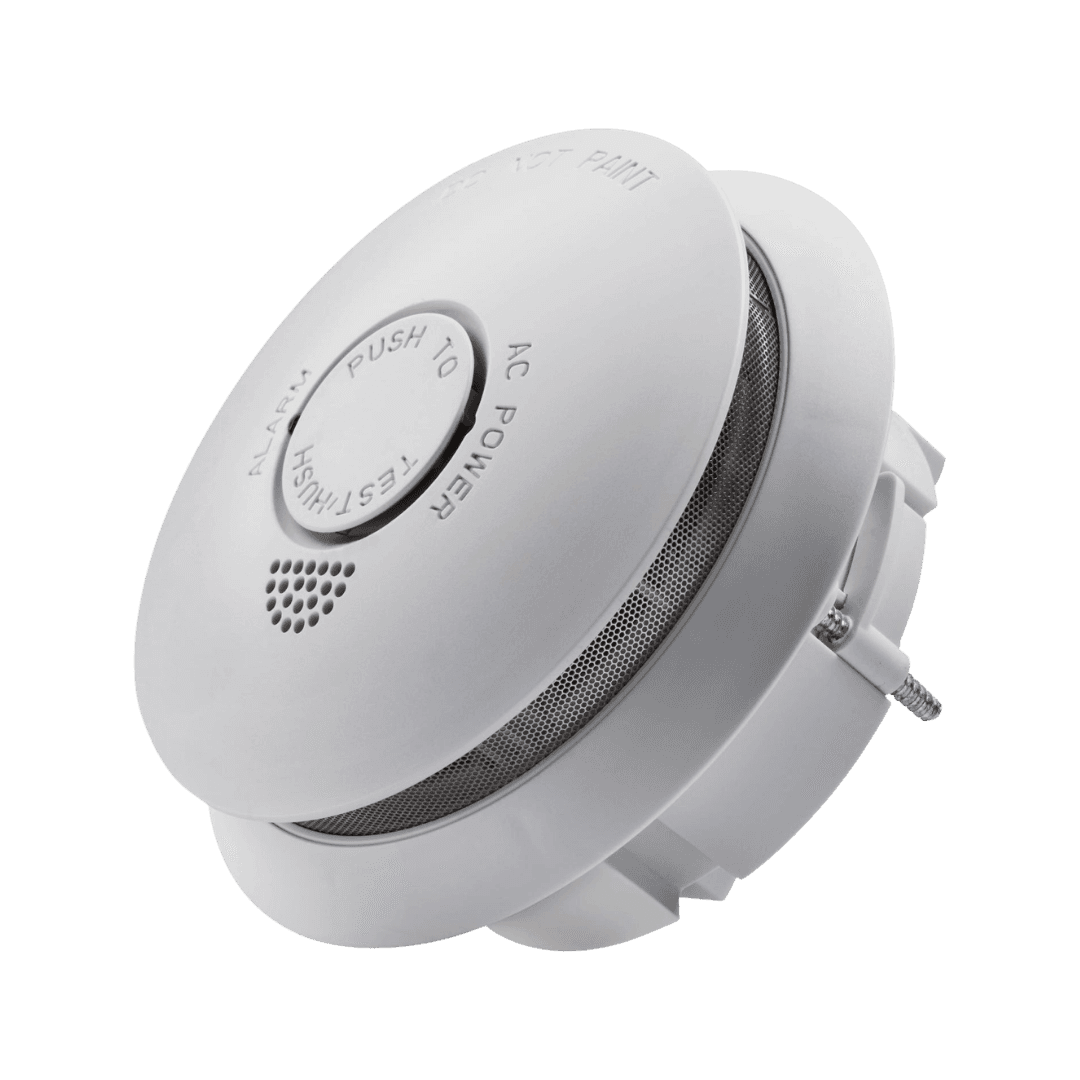
    First, every alarm must be photoelectric. Older ionisation alarms are no longer compliant for installation in Queensland. Photoelectric technology is significantly better at detecting smouldering fires, which are the most common type in residential properties. These fires produce dangerous smoke well before flames appear, and photoelectric alarms can provide up to 30 minutes' extra warning compared to ionisation models. Look for markings indicating AS 3786 compliance with "Photoelectric", "Photo", "Optical", or "Light Scatter" on the unit. If you're not sure what type you've got, a professional smoke alarm compliance check will sort that out quickly.

    Second, alarms must be interconnected. That means when one alarm detects smoke, every alarm in the house sounds at the same time. A fire starting in the kitchen at one end of the house needs to wake up everyone sleeping at the other end. Interconnection can be achieved through hardwired cabling (ideal during construction or renovation) or compliant wireless radio-frequency links (perfect for existing homes where running new cables would be disruptive).

    Third, placement is prescribed by law. You need an alarm inside every bedroom, in every hallway that connects bedrooms to the rest of the dwelling, and if there's no hallway, one between the bedrooms and living areas. If a storey has no bedrooms, at least one alarm must be installed in the most likely path of travel to exit. Multi-storey homes need coverage on every level.

    Fourth, alarms must be hardwired to mains power with battery backup, or powered by a non-removable 10-year lithium battery. Standard replaceable 9V battery alarms don't meet the primary power requirements.

    Fifth, every alarm has a 10-year maximum lifespan. The manufacture date is usually printed on the back of the unit. After 10 years, internal sensors deteriorate and the alarm becomes unreliable. Many Toowoomba homes built in the 2000s and early 2010s still have their original alarms, and those have now exceeded the replacement window.

    What Landlords and Sellers Need to Do

    If you're a landlord, your obligations are ongoing. Rental properties must have compliant alarms at the start of each new lease and annually thereafter. That includes testing and cleaning alarms, replacing expired units, and confirming interconnection still works correctly.

    If you're selling a property in Queensland, you must lodge a Form 24 with the QLD Land Registry Office declaring the property meets smoke alarm legislative requirements. Conveyancers and real estate agents will ask for proof of compliance, and settlement can and does get delayed if the alarms don't stack up. I've seen this happen dozens of times across Toowoomba, and it's always stressful for everyone involved. Getting a professional installation and certification done before listing removes that obstacle entirely.

    Why Professional Installation Matters

    Buying alarms from a hardware store and sticking them on the ceiling yourself might seem like a simple fix, but there's more to compliance than the alarms themselves. Correct placement requires understanding the specific positioning rules under the legislation. Interconnection, whether hardwired or wireless, needs to be configured and tested properly. And for property sales and leases, you need official documentation proving compliance.

    A licensed electrician handles all of this. I assess the property layout, determine the required alarm locations and interconnection method, install and mount everything properly, test the full interconnected system, and provide compliance certification. For landlords and sellers, that certification is the document your property manager, conveyancer, or insurer will ask for.

    G-TEC Electrical installs 10-year sealed lithium battery photoelectric smoke alarms at $135 per alarm, supplied and installed. A typical 3-bedroom Toowoomba home needs 4 to 6 alarms, putting a complete system between $540 and $810 including materials, installation, wireless interconnection, testing, and certification.

    Getting Your Toowoomba Property Sorted

    The 2027 deadline for owner-occupied homes is closer than most people think, and rental properties and sales already need to be fully compliant right now. I'd rather see people get this done properly and early than scramble at the last minute or, worse, have a fire with inadequate protection.

    G-TEC Electrical provides smoke alarm compliance checks to identify what you've got and what needs changing, photoelectric smoke alarm installation with full interconnection and certification, and replacement of expired or non-compliant alarms across Toowoomba and the Darling Downs.

    If you're not sure where your property stands, give me a call. I'll tell you straight whether you're compliant or not, and if you're not, exactly what it'll take to get there.

    Call Glenn on 0489 082 307 or book a compliance check.

    Glenn (Owner-Operator)Personal Accountability
    10+ Years ExperienceLicensed Electrician
    Fully LicensedQLD LIC 91375
    5-Star Rating49 Google Reviews

    Need Smoke Alarm Compliance Help?

    Ensure your Toowoomba property meets Queensland smoke alarm legislation. Glenn provides compliant photoelectric [smoke alarm installation](/services/smoke-alarm-services/smoke-alarm-installation-toowoomba), replacement, and certification for homes, rentals, and properties being sold.