Old Wiring Replacement in Toowoomba Homes: What You Need to Know
The Hidden Risk Behind Your Walls
Many Toowoomba homes were built long before modern electrical safety standards existed. If your property is more than 30 years old, there is a real chance it still has some or all of its original wiring. Over time, insulation breaks down, connections loosen, and the risk of electrical faults quietly increases.
Old wiring is not just a reliability issue. It is a genuine safety risk that can lead to electric shock, appliance damage, or electrical fires. I see the evidence of deteriorating wiring regularly in roof spaces and switchboards across Toowoomba, and the good news is that it is one of the most fixable safety problems in older homes.
How Long Wiring Actually Lasts
Electrical wiring can last 40 to 60 years if it was installed correctly and has not been damaged by heat, pests, or moisture. But "can last" and "is still safe" are not the same thing. In Toowoomba, I often see wiring that has deteriorated faster than expected due to high roof space temperatures in summer, rodent damage in older roof cavities, moisture exposure from leaking roofs or gutters, and DIY modifications from past renovations that were never done properly.
If your home was built before the 1980s, a professional inspection is strongly recommended even if everything seems to be working fine. Wiring can look functional right up until it causes a serious problem.
The Types of Old Wiring I Find in Toowoomba
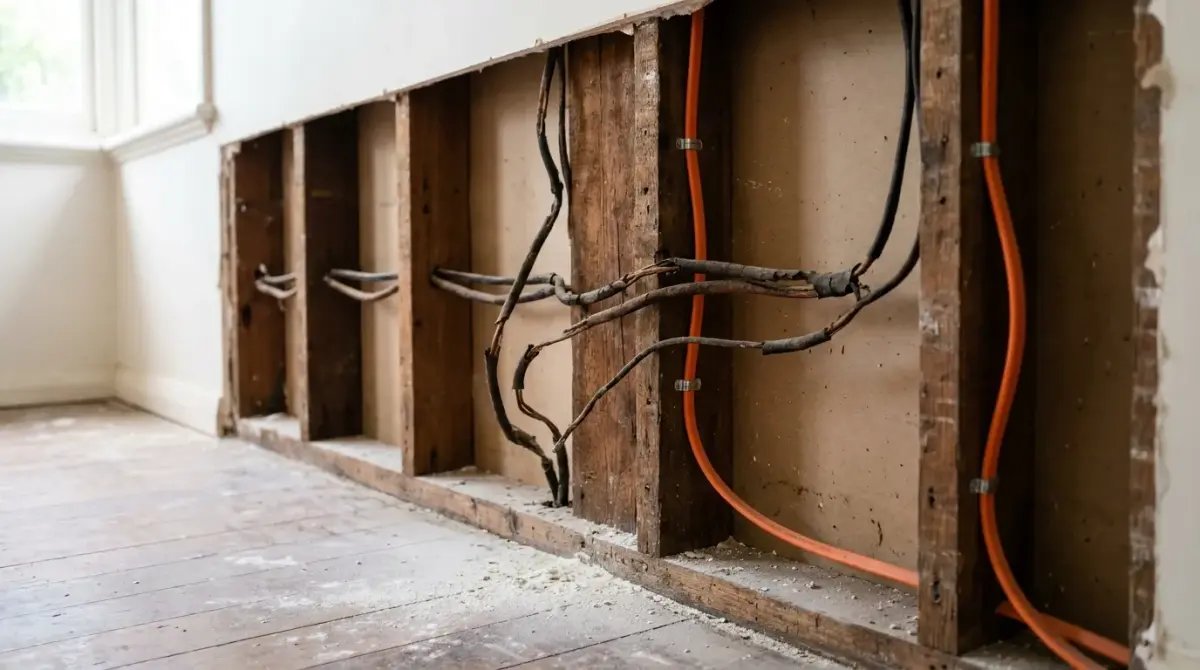
The most common old wiring type in Toowoomba homes built before the 1970s is rubber or cloth insulated wiring. The insulation becomes brittle and cracks over time, exposing conductors and creating a higher fire risk. I find it most often in roof spaces where heat accelerates the deterioration.
VIR wiring (Vulcanised India Rubber) was used widely in mid-century homes and is now well beyond its serviceable lifespan. The insulation literally crumbles when you touch it, and the cables cannot handle modern appliance loads. TRS wiring (Tough Rubber Sheathed) was an improvement over earlier rubber insulation, but it still deteriorates in heat and cracks over time.
Perhaps the trickiest situation is mixed wiring systems. Many Toowoomba homes have been partially rewired over the years, often by different electricians with different approaches. Mixed systems create reliability issues and make fault finding significantly more difficult because you are dealing with cables of different ages, types, and conditions all connected together.
Warning Signs Your Wiring Needs Attention
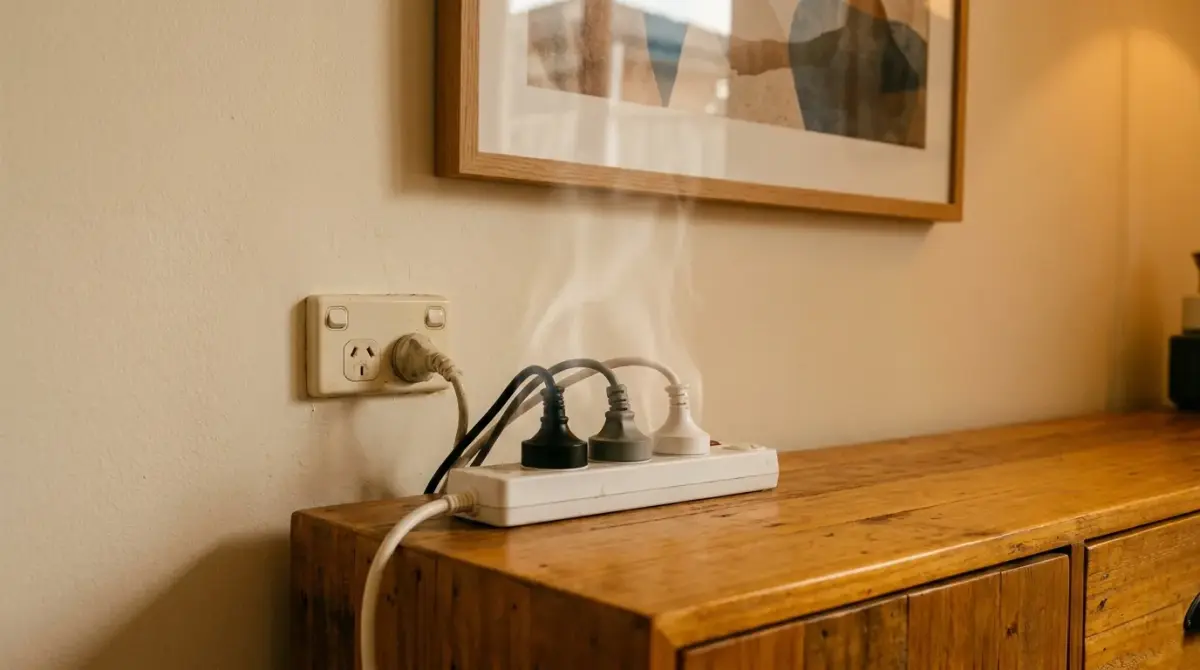
Some signs of wiring trouble are obvious and others are subtle, but all of them warrant an inspection. If your lights flicker or dim when appliances turn on, if circuit breakers trip frequently or you keep replacing blown fuses, or if you notice a burning smell near outlets or your switchboard, those are clear indicators. Sparking power points, warm or discoloured wall plates, shocks or tingling from appliances, and visible brittle or cracked wiring in roof spaces all point to insulation breakdown or loose connections.
Any one of these signs should prompt you to arrange an inspection. Multiple signs appearing together suggest the problem is more advanced.
Is Old Wiring Actually Illegal?
Old wiring is not automatically illegal, but it can be non-compliant if it no longer meets safety standards. Under Queensland legislation and AS/NZS 3000 (the Australian Wiring Rules), wiring must be safe and in good condition. If it has deteriorated to the point where it poses a risk, replacement is required.
This becomes particularly relevant if you are selling or leasing the property. Non-compliant wiring can cause delays in property transactions, and insurance claims may be affected if an incident occurs and the insurer discovers the wiring was in poor condition.
Want this sorted properly?
Glenn quotes most Toowoomba jobs within 48 hours, and the person who quotes is the person who turns up.
How a Rewiring Project Works
A rewiring project starts with a full inspection of your switchboard, wiring, outlets, and roof space. This determines the scope of what needs replacing. Not every circuit necessarily needs rewiring, and a good electrician will tell you honestly which cables are still serviceable and which need to go.
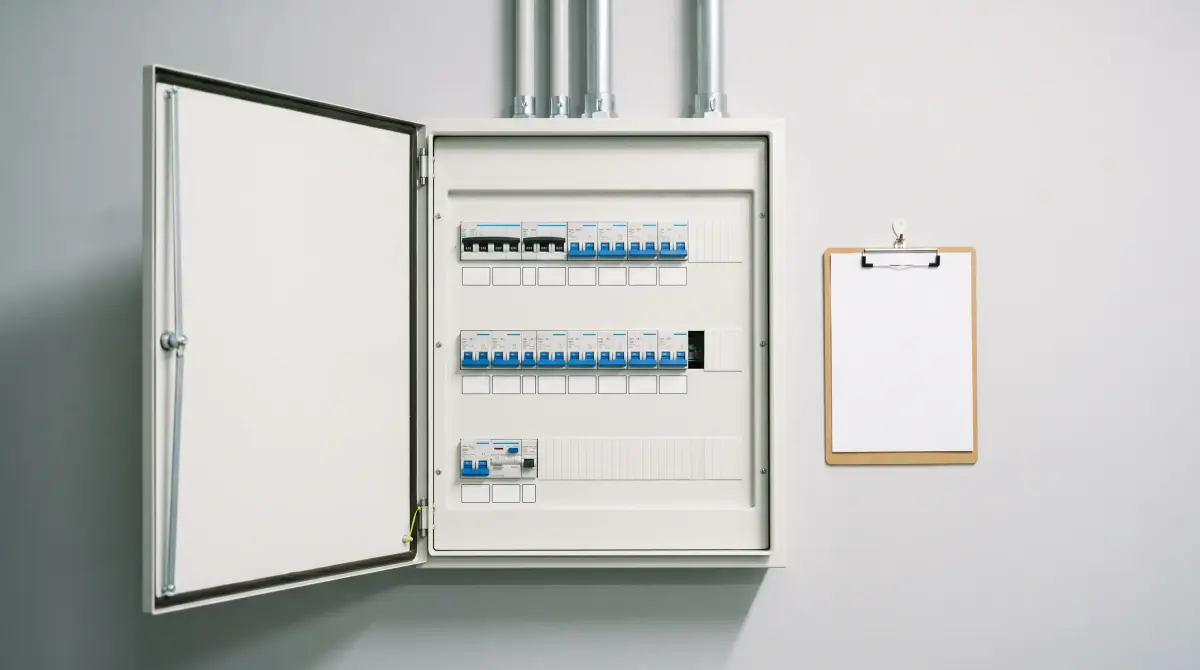
Old wiring often goes hand in hand with an outdated switchboard. If your switchboard is not compliant, we upgrade it first so the new wiring connects to modern circuit breakers and RCDs. Then we replace old cable runs with modern TPS (thermoplastic sheathed) wiring across power points, lighting circuits, and dedicated appliance circuits. All new wiring is tested and certified, and you receive an Electrical Safety Certificate at completion.
Timeline and Disruption
The time required depends on the size of your home and how accessible the wiring routes are. A small 2 to 3 bedroom home typically takes 2 to 4 days. A medium 3 to 4 bedroom home runs 4 to 7 days. Large or heritage homes can take 1 to 2 weeks, particularly when careful cable routing is needed to protect original features.
One of the most common concerns I hear is whether rewiring will damage walls. In most cases, we can rewire through roof and underfloor spaces, keeping wall cutting to a minimum. Heritage homes sometimes need more careful access planning, but the goal is always to minimise disruption. I work with homeowners to plan access points and any patching that might be required before we start.
What Rewiring Costs in Toowoomba
Every rewiring project is unique, and pricing depends on the size of the home, access conditions, wiring condition, and the scope of work required. Because of this, all rewiring projects need an on-site assessment and a personalised quote. Rewiring often includes a switchboard upgrade, new power points, and new lighting circuits. Glenn will inspect your property and provide a detailed, itemised quote with no hidden costs.
Heritage Homes Need Special Care
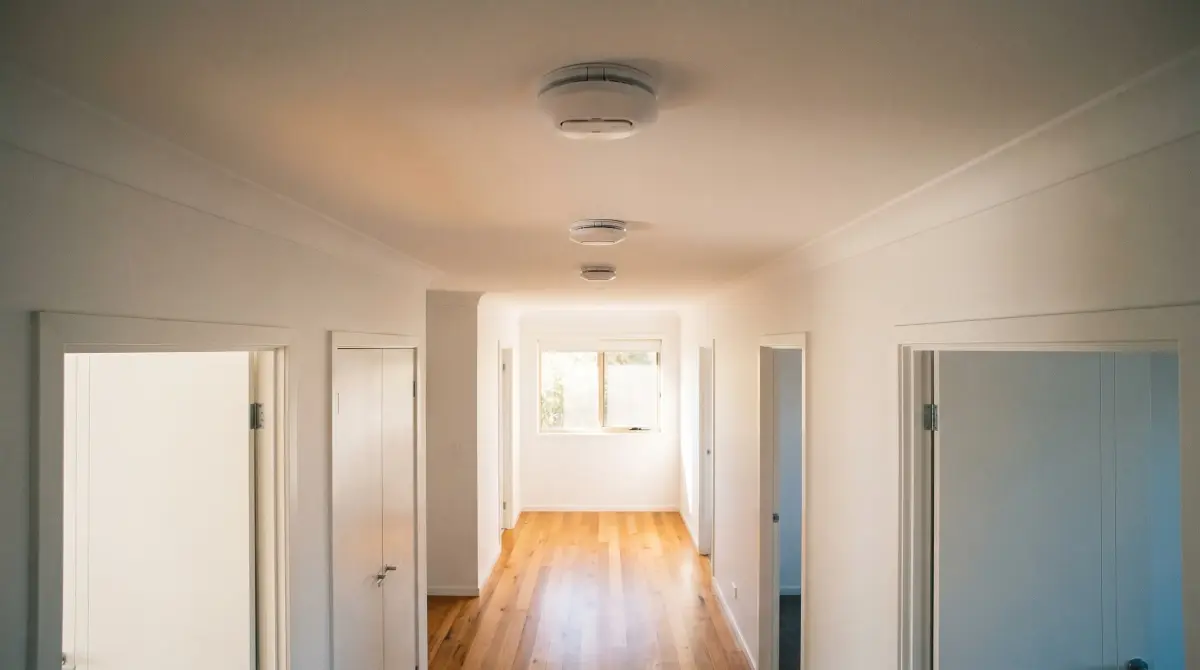
Toowoomba has many heritage properties with ornate ceilings, original timber panelling, and limited roof access. Rewiring these homes requires careful routing to protect heritage features, consideration of wireless smoke alarm systems to reduce wiring runs, and staged work to minimise disruption to both the homeowners and the building.
I have worked on heritage properties throughout Toowoomba's older suburbs, and I understand the balance between upgrading safety and preserving the character that makes these homes special. If you own a heritage home, see our heritage home electrical upgrades guide for more detail.
Why Rewiring Is Worth Doing
Replacing old wiring improves safety and reduces fire risk dramatically. It gives your home the capacity to handle modern appliances without overloading circuits. You will experience fewer electrical faults and callouts. Property value increases, and you achieve full compliance with Queensland standards.
Old wiring is one of the most common safety risks in Toowoomba homes, but it is also one of the most straightforward to fix once you have a clear picture of what needs doing. A professional inspection will confirm whether replacement is required and help you plan the work around your budget and schedule.
If you are unsure about the condition of your wiring, contact G-TEC Electrical for honest advice and compliant rewiring solutions.
Call Glenn today: 0489 082 307