LIC 91375
5-Star
0489 082 307
    Skip to main content

    Wireless Interconnected Smoke Alarm Installation Toowoomba – Simultaneous Alert Throughout Property

    All alarms sound together when any alarm detects smoke—mandatory for post-1997 builds

    Wireless interconnected smoke alarms sound simultaneously when any single alarm detects smoke, ensuring occupants are alerted regardless of fire location. Queensland mandates interconnection for post-1997 builds. Glenn specialises in wireless interconnected systems throughout Toowoomba, using 10-year sealed battery alarms with no wiring required—ideal for heritage homes and all property types.

    5.0 EXCELLENT
    5 Stars Based on 48 Reviews
    Licensed & InsuredQLD License 91375
    5-Star Service48 Google Reviews
    Compliant WorkAS/NZS 3000 Standards
    Owner-OperatedDirect with Glenn
    QLD Legislation
    Fire and Emergency Services (Domestic Smoke Alarms) Amendment Act 2016

    Interconnection Compliance Rules

    All smoke alarms in Queensland dwellings must be interconnected. When one activates, all must sound. This can be achieved through hardwired or wireless radio frequency technology.

    Mandatory Deadline1 January 2027 (All Dwellings)
    Upgrade to Interconnected
    Key Information

    Interconnection Fast Facts

    Typical Duration
    2-4 hours (depending on system)
    Battery Life
    10-year sealed lithium battery
    Certification
    Certificate of Compliance provided
    Compliance
    QLD Smoke Alarm Legislation, AS 3786
    Licence
    QLD Electrical License 91375
    Common For
    Post-1997 builds, renovations, large homes
    Typical Cost Range
    $135 per alarm + wireless interconnection
    Warranty
    Lifetime workmanship warranty

    * Prices are indicative and vary by situation. Complex jobs require discussion or in-person review. Contact Glenn for a detailed quote.

    Is Your Property Missing Required Interconnection?

    When You Need Interconnected Smoke Alarm Installation

    Watch for these situations indicating your property requires interconnected smoke alarms:

    Your Property Was Built After 1 July 1997

    Queensland legislation requires all smoke alarms to be interconnected in any dwelling constructed after 1 July 1997. If your property was built during or after this period and the alarms aren't interconnected, you're not compliant with current electrical safety regulations. Professional installation retrofits interconnection using wireless technology.

    You've Completed Substantial Renovations After 1 July 2014

    Substantial renovations trigger interconnection requirements even in older homes. This includes adding bedrooms, creating new living areas, or significant electrical work requiring building approval. If your renovation occurred after 1 July 2014, all smoke alarms must be interconnected – professional installation ensures compliance.

    You Want Comprehensive Fire Protection in Large Homes

    Even if not legally required, interconnection provides superior protection in larger homes where fire starting in one area might not be heard in distant bedrooms. When interconnected alarms activate simultaneously, everyone is alerted immediately, regardless of where they're sleeping or where the fire starts. This is particularly important in multi-storey homes or properties with separated bedroom wings.

    Your Current Alarms Aren't Interconnected But Should Be

    Many properties built or renovated during periods requiring interconnection still have standalone alarms that don't meet legislative requirements. If you're selling, leasing, or simply want compliance certainty, professional interconnection installation resolves these gaps.

    You're Building or Renovating Now

    New builds and current renovations provide the perfect opportunity to install interconnected smoke alarms from the start. Installing interconnection during construction is more cost-effective and less invasive than retrofitting later. Professional electricians ensure interconnection is installed correctly during building works, avoiding costly modifications after completion.

    Our Simple Process

    Our Interconnected Smoke Alarm Installation Process

    1. Property Assessment and Interconnection Planning

      Glenn inspects your property to determine the best interconnection method: verifying whether interconnection is legally required based on build/renovation dates, assessing ceiling cavity access for wireless interconnection cabling, identifying any obstacles to running interconnection wiring (concrete floors, steel frames), evaluating wireless interconnection as an alternative if hardwiring is impractical, planning circuit protection and power supply for interconnected system, and determining the number of alarms requiring interconnection.

    2. Interconnection Method Selection and Quote

      Based on the assessment, Glenn presents interconnection options. Hardwired Interconnection includes physical cables connecting all smoke alarms, most reliable interconnection method (no wireless interference), ideal for new builds or properties with accessible ceiling cavities, and uses 240V power with backup batteries. Wireless Radio Frequency Interconnection includes alarms communicating via radio signals (no cables required), perfect for difficult-to-wire properties (concrete, heritage buildings), can use 240V hardwired or 10-year battery-powered alarms, and modern technology with excellent reliability. You receive detailed quotes outlining the recommended method, all materials required, installation timeline, and complete costs with no hidden fees.

    3. Professional Installation

      On installation day, Glenn installs your interconnected smoke alarm system. For Hardwired Interconnected Systems: safely isolating power circuits before commencing work, running interconnection cables through roof/wall cavities between alarm locations, installing junction boxes at each alarm position, connecting all alarms to power supply and interconnection wiring, ensuring proper cable segregation from other electrical circuits, installing photoelectric smoke alarms to mounting bases, connecting backup batteries in all hardwired units, and testing power supply and interconnection functionality. For Wireless Interconnected Systems: installing photoelectric smoke alarms at all required locations, configuring wireless interconnection settings on each alarm, pairing alarms to create interconnected network, testing wireless communication range and reliability, installing hardwired power or 10-year batteries depending on alarm type, and verifying signal strength throughout property.

    4. Comprehensive System Testing and Verification

      Interconnection requires thorough testing to ensure reliable operation including testing each individual alarm's smoke detection and sounder, activating one alarm and verifying all interconnected alarms sound simultaneously, testing from multiple alarms to confirm bidirectional interconnection, checking alarm volume levels throughout property, verifying LED indicators show interconnection status correctly, testing backup batteries on hardwired systems, confirming wireless signal reliability (for wireless systems), and ensuring no interference from other wireless devices. We don't complete the job until interconnection functions perfectly throughout your entire property.

    5. Certification, Documentation, and User Education

      Before leaving, Glenn ensures you understand your new interconnected system including providing Certificate of Compliance for legal documentation, explaining how interconnection works and why it provides superior protection, demonstrating monthly testing procedures, showing hush/silence functions for nuisance alarms, providing maintenance schedule for cleaning and eventual replacement, documenting alarm locations and installation dates, and answering any questions about system operation. You receive complete documentation proving interconnection compliance for insurance, property sales, or lease agreements.

    550+
    Jobs Completed
    10+
    Years in Trade
    5.0
    Google Rating
    100%
    Licensed & Insured

    Key Differences: Hardwired vs Wireless Interconnection

    Hardwired Interconnection

    Best For: New builds, accessible ceiling cavities, properties with existing alarm wiring

    Advantages:
    • Most reliable interconnection (no wireless interference)
    • No battery concerns for interconnection signal
    • Typically lower ongoing maintenance
    • No radio frequency signal strength concerns
    • Industry standard for new construction
    Considerations:
    • Requires accessible ceiling cavities for cable running
    • More invasive installation in existing homes
    • Not practical in concrete or steel-framed properties
    • Higher installation costs in retrofit situations

    Wireless Radio Frequency Interconnection

    Best For: Difficult-to-wire properties, heritage buildings, concrete construction, multi-storey homes

    Advantages:
    • No cables required between alarms
    • Less invasive installation (no ceiling access needed)
    • Ideal for heritage properties where cable running damages features
    • Can use battery-powered or hardwired alarms
    • Flexible placement without wiring constraints
    Considerations:
    • Requires alarms with compatible wireless technology
    • Signal range limitations in very large properties
    • Potential interference from other wireless devices (rare with modern systems)
    • Slightly higher alarm costs compared to basic hardwired units

    Both methods achieve full Queensland compliance and reliable interconnection. Glenn recommends the most suitable option based on your property's specific characteristics.
    Interconnection Compliance Requirements

    Properties Requiring Interconnection:
    • All dwellings built after 1 July 1997
    • All dwellings substantially renovated after 1 July 2014
    What 'Substantially Renovated' Means:
    Renovations requiring building approval, including:
    • Adding bedrooms or living areas
    • Structural modifications
    • Significant electrical work upgrades
    • Extensions increasing floor area
    Interconnection Standards:
    • All smoke alarms throughout the dwelling must be interconnected
    • When one alarm activates, all alarms must sound simultaneously
    • Interconnection can be achieved through hardwired or wireless methods
    • All alarms must be photoelectric type meeting AS 3786 standards

    Power and Backup:

    - Wireless interconnected alarms can use 240V hardwired power OR 10-year sealed batteries

    Professional installation ensures every aspect of interconnection compliance is met, protecting you legally and providing comprehensive fire detection.

    Transparent Pricing

    Pricing Guide: Wireless Interconnected Smoke Alarm Installation

    G-TEC Electrical specializes in wireless interconnected systems using 10-year sealed battery alarms at $135 per alarm.

    Recommended

    Wireless Interconnected System

    $135 per alarm (typically 4-6 alarms)

    Wireless interconnection ideal for all property types, using 10-year sealed battery photoelectric alarms.

    Standard
    2-3 hours
    • Wireless radio frequency interconnection (no cabling required)
    • Quality photoelectric smoke alarms with wireless capability
    • 10-year sealed battery (no replacements needed)
    • Perfect for heritage properties and all property types
    • Signal strength testing throughout property
    • Certificate of Compliance
    • Lifetime workmanship warranty
    • Manufacturer warranty on alarms

    Pricing Disclaimer: Prices are indicative. Every situation is different and pricing may vary. For more complex jobs beyond simple item installs (such as smoke alarms, ceiling fans, or power points), a further discussion or in-person review is required. For detailed pricing, please contact Glenn for a quote.

    Glenn working at a switchboard on a Toowoomba street
    Very professional and thorough. Glenn took the time to explain everything and left the place spotless. Highly recommend G-TEC Electrical.

    Sarah M. — East Toowoomba

    Owner-Operated, Fully Licensed, Locally Trusted

    Why Toowoomba Homeowners Choose G-TEC Electrical

    Interconnected smoke alarm installation requires technical expertise and knowledge of Queensland legislation. Glenn brings specialised experience to every project.

    Owner-Operated Accountability

    Glenn completes and certifies every installation with direct communication, consistent quality, personal investment with Glenn's licence and reputation on every job, and complete oversight.

    Fully Licensed and Compliant

    QLD Electrical License 91375, fully licensed and compliant with all Queensland smoke alarm legislation and Australian Standards. Certificate of Compliance provided for every installation.

    Heritage Home Specialists

    Extensive experience with Toowoomba's heritage homes, where wireless interconnection avoids damaging original features. Glenn understands how to protect character homes while ensuring full compliance.

    48 Google Reviews, 5-Star Rating

    Trusted by Toowoomba families for quality workmanship, clear communication, and reliable service. Real reviews from real customers across the Darling Downs.

    Quality Components

    Partnerships with Hager and Voltex ensure premium photoelectric smoke alarms that perform reliably and are supported by manufacturer warranties.

    Certificate of Compliance Provided

    Essential for insurance, property sales, rental compliance, and peace of mind. Full documentation proving interconnection compliance on completion.

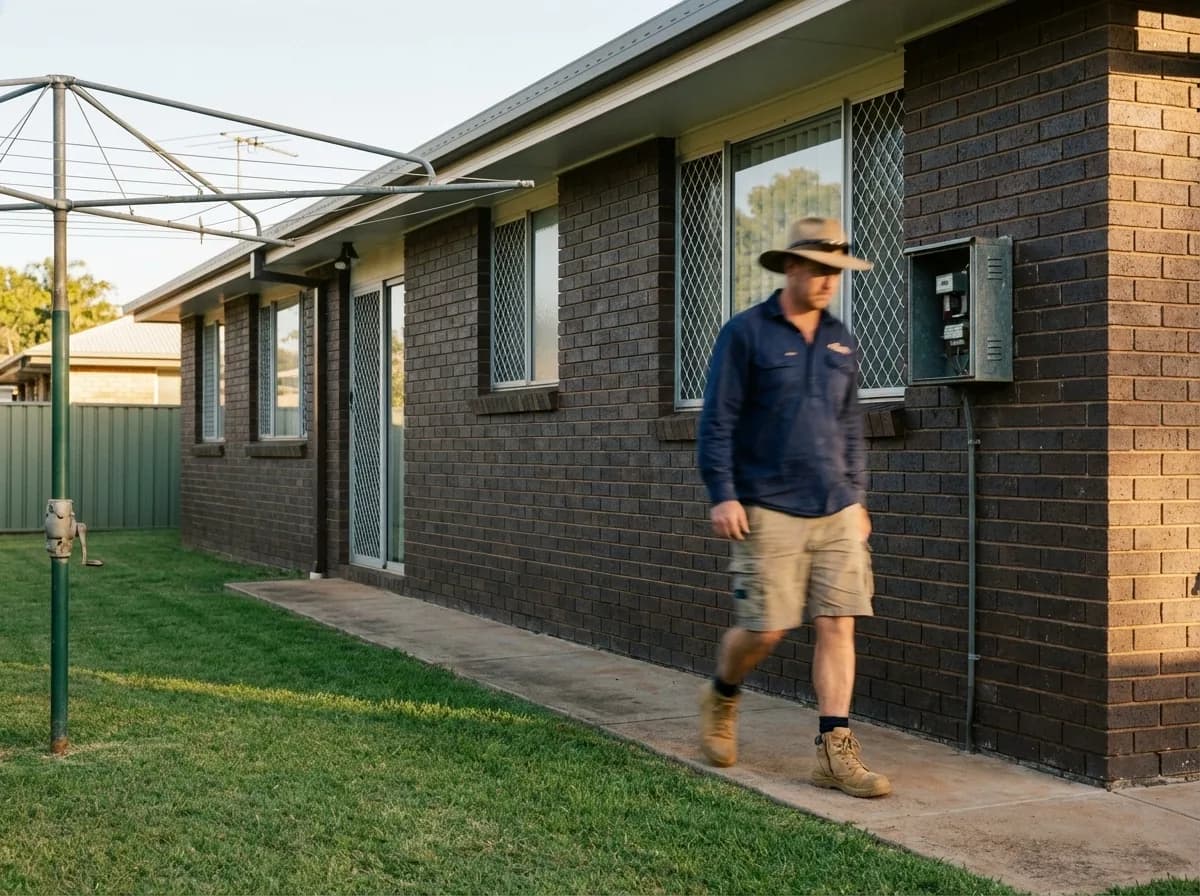
    Glenn walking to inspect a meter box on a brick home
    Understanding Interconnected Systems

    How Interconnection Works in Practice

    When any interconnected smoke alarm detects smoke and activates, it sends a signal (via cables or wireless radio frequency) to all other interconnected alarms in the property.

    Immediate Alert Throughout Property
    Critical Time for Evacuation
    Mandatory Compliance
    Reduced False Alarm Risk
    Future-Proof Protection
    Glenn inspecting electrical work inside a Queenslander home
    Battery and Power Considerations

    What Happens If One Interconnected Alarm's Battery Dies?

    On Hardwired Interconnected Systems: Alarms run on 240V power with backup batteries.

    Glenn working at a switchboard on a Toowoomba street
    Wireless Range and Reliability

    How Far Apart Can Wireless Interconnected Alarms Be?

    Modern wireless interconnected smoke alarms typically have range of 30-100 metres in open space, more than sufficient for standard residential properties.

    Building Materials
    Number of Walls and Floors
    Large Properties
    Interference
    Glenn at a rural property on the Darling Downs
    Wireless Interference Concerns

    Will Wireless Interconnected Alarms Interfere With WiFi or Other Devices?

    Modern wireless interconnected smoke alarms use dedicated radio frequencies that don't interfere with WiFi, Bluetooth, or other household wireless devices.

    Dedicated Frequency
    Short Communication Bursts
    Two-Way Verification
    Testing During Installation
    Standards Compliance
    Glenn in a modern kitchen with pendant lights
    Testing Your Interconnected System

    Can I Test Interconnection Myself?

    Yes, and you should test monthly. Press and hold the test button on any interconnected alarm – all alarms throughout the home should sound simultaneously within a few seconds.

    Glenn arriving at a heritage Queenslander home in Toowoomba
    Compliance for Different Property Types

    Is Interconnection Required in My Home?

    Interconnection is Mandatory If:

    Your property was built after 1 July 1997
    Your property was substantially renovated after 1 July 2014
    You're adding bedrooms, living areas, or extensions requiring building approval
    You're completing significant electrical work upgrades requiring building...
    Large or multi-storey homes where fire in one area might not be heard elsewhere
    Properties with separated bedroom wings or multiple sleeping areas

    Can Existing Non-Interconnected Alarms Be Upgraded to Interconnected?

    Yes, but it depends on your alarm types and property construction. Glenn assesses your current setup and recommends the most cost-effective upgrade path.

    Upgrade Scenarios:

    Hardwired Alarms with Existing Interconnection Wiring: G-TEC Electrical specializes in wireless interconnected systems using 10-year sealed battery photoelectric alarms. These provide full interconnection compliance without any hardwiring required.

    Glenn inspecting electrical work inside a Queenslander home
    Owner-Operated

    Why Toowoomba Locals Choose G-TEC

    When you call G-TEC Electrical, you're speaking directly with Glenn — the same licensed electrician who'll quote your job, complete the work, and stand behind it.

    QLD Electrical License 91375
    10+ years in the Electrical Trade
    Direct communication — no call centres
    Fully insured for all work
    Compliant with AS/NZS 3000
    Real-World Project

    Rental Property Alarm Upgrade

    Property
    1980s brick home
    Method
    Wireless RF Link
    Warranty
    10 Years

    The Challenge

    The homeowner's rental property in East Toowoomba had battery-only ionisation alarms that were over 10 years old. The property manager notified that the property must meet the 2022 interconnection requirements before the lease renewal.

    Our Solution

    Glenn replaced all alarms with interconnected photoelectric units using wireless RF linking — avoiding the need to run new cables through the existing walls. He installed alarms in every bedroom and on each level.

    The Outcome

    The property is now fully compliant with current QLD legislation. The wireless interconnection meant minimal disruption to the tenants, and the homeowner has a 10-year warranty on all alarms.

    Frequently Asked Questions About Interconnected Smoke Alarms

    Need a direct answer? Browse our frequently asked questions or give Glenn a call for professional advice tailored to your property.

    On hardwired interconnected systems, alarms run on 240V power with backup batteries. If one alarm's backup battery dies, that alarm continues operating on mains power and interconnection continues functioning normally. The alarm will chirp to indicate backup battery needs replacement. On wireless battery-powered systems, low battery in one alarm doesn't affect other alarms' operation, but that alarm should be replaced or have its battery changed (10-year sealed battery alarms are replaced entirely).