LIC 91375
5-Star
0489 082 307
    10 Signs You Need a Switchboard Upgrade in Toowoomba

    10 Signs You Need a Switchboard Upgrade in Toowoomba

    G
    Glenn
    Licensed Electrician
    QLD Electrical License 91375 | 10+ Years Experience
    Safety & Compliance
    20 January 2026

    Your switchboard is the heart of your home's electrical system, but most homeowners only notice it when something goes wrong. In Toowoomba, many homes still have switchboards installed decades ago, long before modern safety standards, safety switches, and high-demand appliances became the norm.

    If you are seeing warning signs, a switchboard upgrade is not just about convenience. It is about protecting your family from electric shock, preventing electrical fires, and keeping your property compliant with Queensland legislation.

    Here are the 10 most common signs you need a switchboard upgrade in Toowoomba.

    1. You Still Have Ceramic Fuses

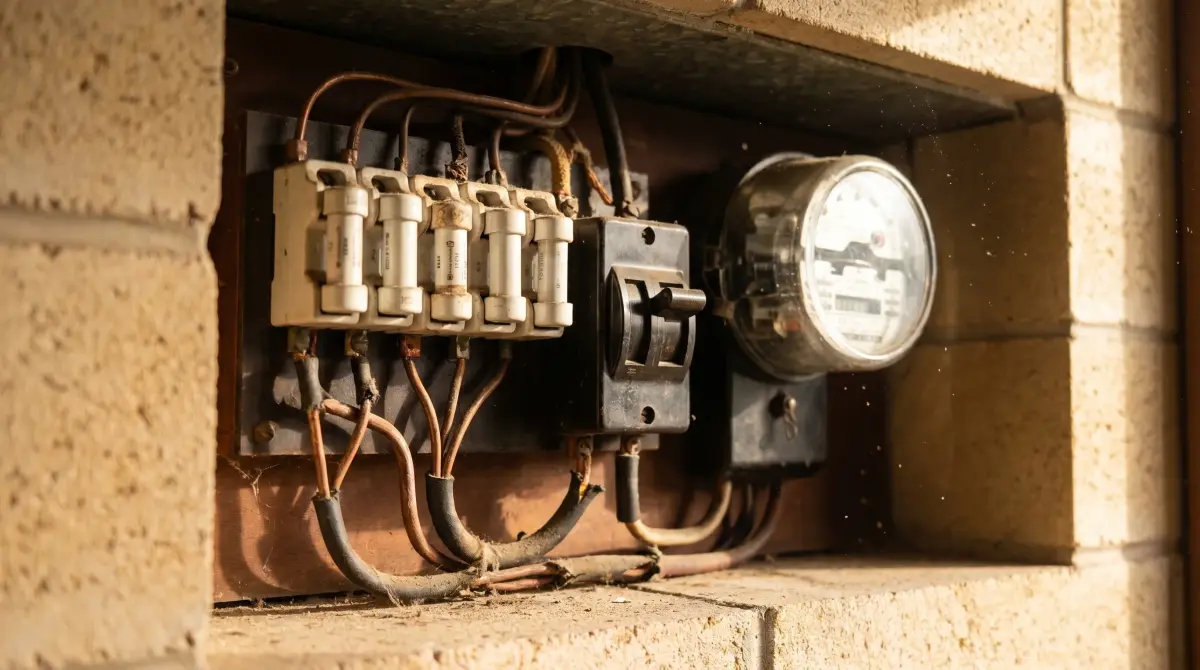
    Ceramic fuses are the clearest sign your switchboard is outdated. They offer no RCD protection and are far less reliable than modern circuit breakers.

    Why it matters:

    • No fast protection against electric shock
    • Higher risk of overheating
    • Replacement fuses are increasingly hard to find
    • No discrimination between fault types
    • Can be incorrectly replaced with wrong-rated fuses

    Understanding ceramic fuse switchboards:

    Ceramic fuse switchboards were standard in Australian homes built before the 1970s. These systems use rewireable fuses with fuse wire that melts when overloaded.

    Problems with ceramic fuse systems:

    • Temptation to use incorrect fuse wire: Homeowners sometimes use heavier gauge wire than specified, defeating the overcurrent protection
    • No earth fault protection: Ceramic fuses only protect against overload, not earth leakage
    • Slow response time: Fuses take longer to blow than modern circuit breakers trip
    • Asbestos concerns: Many ceramic fuse switchboards have asbestos-backed boards requiring specialist removal

    If your switchboard has ceramic fuses, you should plan a switchboard upgrade as soon as possible.

    2. No Safety Switches (RCDs) Installed

    RCDs are mandatory in Queensland for all final subcircuits. They cut power in milliseconds when a fault occurs.

    Warning signs:

    • Switchboard has only circuit breakers or fuses, no RCDs
    • Only wet areas are protected by RCDs
    • Older RCDs that fail test button checks
    • Single RCD protecting entire house (modern standards require multiple)

    Understanding Queensland RCD requirements:

    Queensland's Electrical Safety Regulation 2013 requires:

    • RCD protection on all socket outlet circuits
    • RCD protection on lighting circuits
    • Individual RCDs for different areas (not one RCD for entire house)
    • 30mA rated RCDs for personal protection
    • Regular testing of RCD functionality

    The evolution of RCD requirements:

    • Pre-1991: No mandatory RCD protection
    • 1991-2000: RCD protection required for power points in wet areas only
    • 2000-2018: RCD protection required for all power point circuits
    • 2018-present: RCD protection required for all final subcircuits including lighting

    If you do not have RCD protection on all circuits, your home is not compliant with current Queensland standards.

    Safety Switch vs. Circuit Breaker - Understanding the Difference:

    Many Toowoomba homeowners confuse circuit breakers with safety switches:

    Circuit Breakers (Overcurrent Protection):

    • Protect against overload and short circuits
    • Trip when too much current flows
    • Typically rated 10A, 16A, 20A, or 32A
    • Protect cables from overheating
    • Do NOT protect people from electric shock

    Safety Switches/RCDs (Earth Fault Protection):

    • Protect against electric shock
    • Detect current leaking to earth
    • Trip in under 300 milliseconds
    • Rated at 30mA for personal protection
    • Can save lives by preventing electrocution

    Modern switchboards need BOTH types of protection.

    3. Frequent Tripping or Blown Fuses

    If your circuit breakers trip regularly or you keep replacing blown fuses, your switchboard is likely overloaded or deteriorating.

    Common causes:

    • Too many appliances on one circuit
    • Ageing switchboard components
    • Faulty wiring or appliances
    • Inadequate circuit capacity for modern loads
    • Loose connections creating resistance and heat

    Understanding overload symptoms:

    Frequent tripping usually indicates:

    Insufficient circuit capacity:

    Older Toowoomba homes typically have:

    • 2-3 power point circuits for entire house
    • Single lighting circuit for all lights
    • No dedicated circuits for heavy appliances

    Modern homes need:

    • 4-8 power point circuits distributed by area
    • Separate lighting circuits for different zones
    • Dedicated circuits for air conditioning, oven, cooktop, hot water
    • Separate circuits for home office/entertainment areas

    Circuit deterioration:

    Older switchboards suffer from:

    • Thermal cycling loosening connections
    • Corrosion on terminals
    • Carbon buildup on contacts
    • Worn circuit breaker mechanisms
    • Failed neutral bus connections

    An upgrade usually includes additional circuits to handle modern loads safely.

    4. Burning Smells or Heat Around the Switchboard

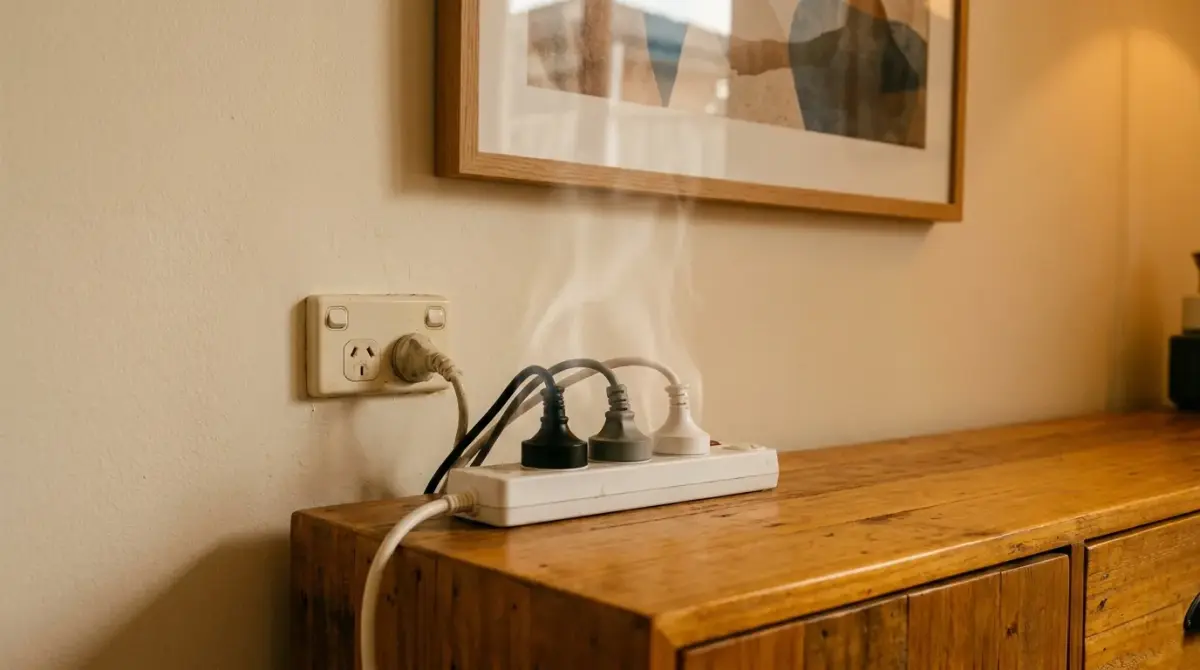
    Heat or burning smells are a major warning sign. They indicate overheating connections, which can lead to electrical fires.

    What to do:

    • Turn off power at the main switch if safe
    • Call a licensed electrician immediately
    • Do not ignore the smell or wait for it to happen again
    • Evacuate if you see smoke or flames

    Understanding switchboard overheating:

    Common overheating causes:

    • Loose connections: The most common cause - connections loosen over time due to thermal expansion and contraction
    • Overloaded circuits: Sustained high current creates heat
    • Corroded terminals: Corrosion increases resistance, generating heat
    • Undersized main cable: Inadequate supply cable for current demand
    • Failed neutral connections: Particularly dangerous, can cause voltage fluctuations

    Signs of previous overheating:

    During switchboard inspections in Toowoomba homes, I often find:

    • Discoloured or melted cable insulation
    • Burned or pitted connection terminals
    • Warped or melted plastic components
    • Carbon tracking on switchboard backing
    • Burned smell lingering in switchboard enclosure

    Fire risk from switchboard faults:

    Electrical fires from switchboard faults are a serious risk:

    • Often start in wall cavities, making detection difficult
    • Can smolder for hours before flames appear
    • Frequently occur at night when household loads drop (thermal contraction can worsen loose connections)
    • May be exacerbated by vermin nests in switchboard surrounds

    Never ignore overheating signs - this is an emergency requiring immediate professional attention.

    5. Flickering or Dimming Lights

    Lights that flicker when appliances turn on can indicate an overloaded or unstable electrical system.

    Possible causes:

    • Undersized circuits
    • Loose connections in the switchboard
    • Ageing main service cable
    • Neutral connection issues
    • Voltage drop from supply authority issues

    Diagnosing flickering lights:

    Normal vs. abnormal flickering:

    Normal (usually not switchboard-related):

    • Single light flickers constantly (likely the bulb or fitting)
    • Brief flicker when air conditioner compressor starts (large motor startup)
    • Flicker during storms (supply authority equipment responding to conditions)

    Abnormal (potentially switchboard-related):

    • Multiple lights flicker when appliances start
    • Persistent flickering across whole house
    • Lights dim significantly when high-draw appliances operate
    • Different rooms dim at different times
    • Flickering accompanied by buzzing from switchboard

    Toowoomba-specific considerations:

    Many established Toowoomba suburbs have:

    • Ageing supply infrastructure
    • Long service cable runs from street to house
    • Shared transformers serving multiple properties
    • Heritage supply equipment nearing end-of-life

    Combining ageing supply with an undersized switchboard and inadequate main cable creates compounding voltage stability issues.

    Upgrading your switchboard and main service cable can stabilise power supply and protect appliances.

    6. You Need More Circuits for Modern Appliances

    EV chargers, ducted air conditioning, induction cooktops, and home offices all demand additional capacity.

    If your switchboard is full and cannot accept new circuits, an upgrade is the only safe option.

    Modern appliances requiring dedicated circuits:

    Many Toowoomba homeowners choose to upgrade when installing:

    EV Chargers:

    Ducted Air Conditioning:

    • Large systems require 20-32A circuits
    • 3-phase systems need 3-phase switchboard
    • Cannot share circuits with other loads
    • Starting current can stress undersized switchboards

    Induction Cooktops:

    • Typically require 32A dedicated circuit
    • Replace older gas cooktops in renovation projects
    • High sustained loads require quality connections
    • Often trigger upgrades in kitchen renovations

    Solar Systems and Battery Storage:

    • Require dedicated circuits and supply switching
    • Modern inverters need RCD protection
    • Battery systems require isolators and specific protection
    • May need 3-phase switchboard for balanced export

    Home Offices and Entertainment Systems:

    • Multiple computers, monitors, printers
    • Network equipment requiring stable, clean power
    • Home theatre systems with significant loads
    • Separate circuits prevent nuisance tripping

    Workshops, Sheds, and Granny Flats:

    • Sub-mains to outbuildings
    • Separate RCD protection required
    • May trigger main switchboard capacity upgrade

    Electric Hot Water Systems:

    • Off-peak systems require dedicated circuits
    • Heat pump systems require RCD protection
    • Older homes often lack dedicated hot water circuits

    7. Your Home Is Over 30 Years Old

    Homes built before the 1990s often have undersized switchboards and outdated wiring. Even if everything appears to be working, the system may not meet current safety standards.

    Age indicators by switchboard type:

    1940s-1960s (Ceramic Fuses with Cloth Wiring):

    • Ceramic cartridge or rewireable fuses
    • Cloth-covered wiring (rubber insulation under cloth)
    • No earth wire to power points
    • Asbestos backing boards common
    • Often mounted on timber boards

    1970s-1980s (Early Circuit Breakers, No RCDs):

    • First-generation circuit breakers (often branded M.E.M. or Terasaki)
    • Imperial-sized cables (3/029, 7/029)
    • Single earth stake (modern standards require two)
    • TPS (thermoplastic sheathed) cable introduced
    • No RCD protection

    1990s-2000s (Partial RCD Protection):

    • Circuit breakers standard
    • RCD protection on wet area power points only
    • Metric cable sizing
    • May have single RCD for entire house (no longer compliant)
    • Often undersized for modern loads

    2000s-2010s (Improved Protection but May Need Updates):

    • RCD protection on all power circuits
    • May lack RCD protection on lighting (required from 2018)
    • Often adequate capacity but may need additional circuits
    • Good candidates for targeted upgrades rather than complete replacement

    Toowoomba suburb age profiles:

    Certain Toowoomba suburbs have predominant housing ages:

    • Newtown, East Toowoomba: Many pre-war and 1950s-60s homes
    • Middle Ridge, Centenary Heights: Predominantly 1970s-80s
    • Harlaxton, Rangeville: Mixed ages, many 1980s-90s
    • Highfields, Mount Lofty: Newer developments, 2000s onwards

    If your home is older, a switchboard inspection is a smart first step.

    8. You Have Rewiring or Renovation Plans

    Planning renovations is the ideal time to upgrade your switchboard. Electrical upgrades are more efficient when coordinated with renovations.

    Common renovation triggers:

    Kitchen Upgrades:

    • New appliances requiring dedicated circuits (induction cooktop, wall ovens, dishwasher)
    • Additional power points for small appliances
    • Underbench lighting and feature lighting circuits
    • Opportunity to install USB charging points
    • Relocation of existing circuits

    Bathroom Renovations:

    • Additional circuits for heated towel rails
    • Underfloor heating systems
    • Exhaust fan upgrades
    • Additional lighting (vanity, shower, feature)
    • Heated bathroom mirrors

    Adding a Granny Flat or Extension:

    • Sub-main to new structure
    • Separate switchboard for extension
    • Capacity assessment of main switchboard
    • May trigger mains upgrade requirement

    Upgrading Lighting Throughout the Home:

    • Converting to LED downlights
    • Adding dimming capability
    • Smart lighting systems
    • Feature lighting circuits
    • Separation of lighting circuits by zone

    Heritage Home Renovations:

    Toowoomba has many beautiful heritage and character homes requiring sensitive upgrades:

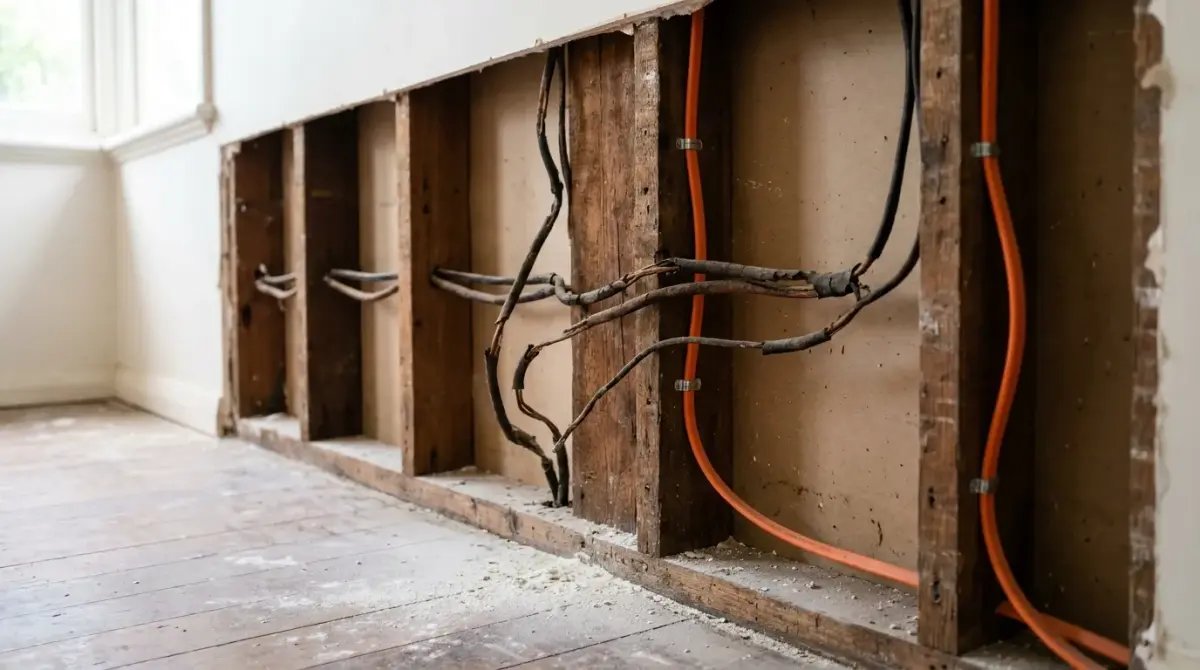
    • Concealing new wiring in existing structures
    • Maintaining heritage aesthetic with period-appropriate fixtures
    • Upgrading safety while preserving character
    • Navigating council heritage requirements
    • Balancing modern convenience with heritage conservation

    I have extensive experience working on heritage homes throughout Toowoomba's older suburbs.

    Cost-benefit of coordinating upgrades:

    Upgrading during renovations provides:

    • Single mobilisation/demobilisation cost
    • Access to walls and ceilings already opened
    • Coordinated scheduling with other trades
    • Avoiding future disruption
    • Opportunity for comprehensive upgrade
    • Single compliance certificate covering all work

    9. You Have Insurance or Compliance Concerns

    Many insurers and property managers require modern switchboards for coverage. Non-compliant switchboards can void insurance or delay property sales.

    Insurance implications of outdated switchboards:

    What insurers look for:

    Home and contents insurers increasingly assess electrical systems:

    • Presence of RCD protection
    • Switchboard age and type
    • Evidence of electrical safety certificates
    • Compliance with current Queensland standards
    • Recent electrical inspections

    Potential insurance issues:

    • Policy exclusions: Some insurers exclude claims arising from ceramic fuse switchboards
    • Higher premiums: Outdated electrical systems may attract higher premiums
    • Claim rejection: Fire claims may be rejected if electrical system was non-compliant
    • Disclosure requirements: Failure to disclose known electrical issues may void coverage

    Property sale compliance requirements:

    Queensland property sales require:

    Smoke Alarm Compliance:

    • Photoelectric smoke alarms in all bedrooms and hallways
    • Interconnected alarms
    • Hardwired or 10-year battery
    • Compliant by settlement date

    Non-compliant properties must upgrade before settlement.

    Electrical Safety:

    • While not mandatory for sale, buyers often request electrical inspections
    • Known defects must be disclosed
    • Non-compliant switchboards can reduce sale price
    • May delay settlement if repairs required

    Rental property compliance:

    Landlords must ensure:

    • RCD protection on all circuits
    • Compliant smoke alarms
    • Safe electrical installations
    • Regular safety switch testing
    • Electrical Safety Certificates for all electrical work

    See our Property Management Electrical Services for more information.

    Impact on property value:

    Upgrading electrical systems before sale:

    • Provides buyer confidence
    • Reduces inspection objections
    • Demonstrates property maintenance
    • Can justify higher asking price
    • Speeds settlement process

    10. You Want Improved Safety and Peace of Mind

    Even if you are not experiencing problems, upgrading provides significant safety benefits:

    Safety improvements from modern switchboards:

    RCD Protection Against Electric Shock:

    • Life-saving protection for all circuits
    • Trips in under 300 milliseconds
    • Protects children, elderly, and vulnerable persons
    • Essential for outdoor areas and wet locations

    Reduced Fire Risk:

    • Modern circuit breakers respond faster to faults
    • Better protection against overheating
    • Arc fault detection available (AFDD technology)
    • Reduced risk from loose connections

    Better Power Stability:

    • Individual circuits prevent whole-house outages
    • Reduced voltage fluctuations
    • Protection for sensitive electronics
    • Improved power quality for computers and equipment

    Easier Troubleshooting:

    • Clearly labelled circuits
    • Individual circuit isolation
    • Test buttons on RCDs
    • Visible fault indicators

    Space for Future Circuits:

    • Room for EV charger installation
    • Capacity for solar system upgrades
    • Space for home automation
    • Future-proofing for technology changes

    Visual inspection checklist - signs of switchboard deterioration:

    When inspecting your switchboard, look for:

    External signs:

    • Rust or corrosion on enclosure
    • Damage to door or enclosure
    • Missing or damaged labels
    • Improvised repairs (tape, wire ties)
    • Gaps allowing pest entry

    Internal signs (view only, do not touch):

    • Discoloured or burned components
    • Melted plastic
    • Visible corrosion on terminals
    • Damaged cable insulation
    • Evidence of moisture or water staining
    • Pest activity (droppings, nesting material)

    What a Switchboard Upgrade Includes

    A professional switchboard upgrade typically includes:

    Core components:

    • New switchboard enclosure (IP-rated for location)
    • Main switch (single or 3-phase as required)
    • RCDs (multiple, providing discrimination)
    • Circuit breakers (correctly rated for circuits)
    • Surge protection (optional but recommended)
    • Correct labelling (durable, specific circuit identification)
    • Neutral and earth bus bars
    • DIN rail mounting system

    Installation process:

    • Supply authority notification
    • Disconnection of supply (arranged with distributor)
    • Removal of old switchboard
    • Installation of new switchboard
    • Testing of all circuits
    • Connection and commissioning
    • Compliance testing and certification
    • Supply reconnection

    Testing and certification:

    • Insulation resistance testing
    • Earth loop impedance testing
    • RCD trip time testing
    • Polarity verification
    • Circuit identification and labelling
    • Electrical Safety Certificate provided

    Timeframe:

    Typical switchboard upgrades take:

    • Single-phase upgrade: 4-6 hours
    • 3-phase upgrade: 6-8 hours
    • Complex upgrades with mains cable: 1-2 days

    Power is typically off for 4-8 hours during the work.

    Learn more about the process on our switchboard upgrade service page.

    Modern vs. Vintage Switchboard Comparison

    Vintage Ceramic Fuse Switchboard (Pre-1970s):

    • 4-8 fuse ways
    • No RCD protection
    • Rewireable fuses
    • Single earth stake
    • No main switch (fuses only)
    • Asbestos backing (often)
    • 40-60 amp main supply typical

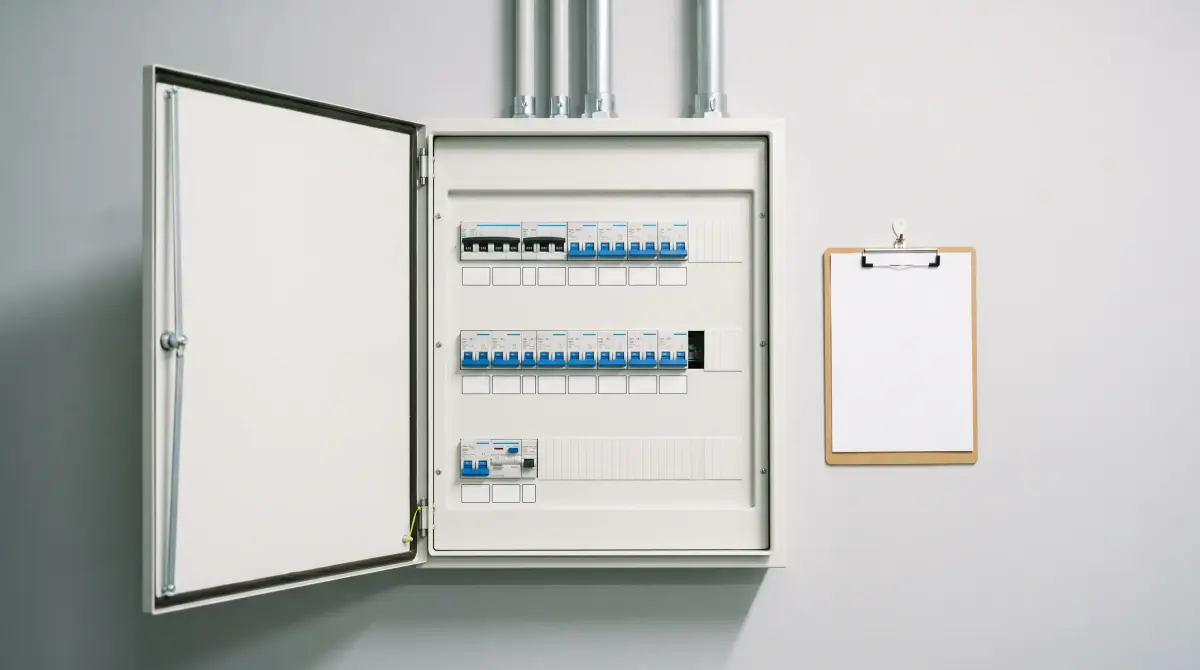
    Modern Circuit Breaker Switchboard (Current Standard):

    • 12-24+ circuit ways
    • Multiple RCDs providing discrimination
    • Plug-in circuit breakers
    • Dual earth stakes with tested resistance
    • Main isolating switch
    • Non-combustible backing
    • 63-100 amp main supply typical (or 3-phase)
    • Surge protection options
    • Labeled circuits
    • Space for expansion

    Emergency Upgrade vs. Planned Upgrade

    Emergency upgrades:

    Required when:

    • Switchboard fails (fire, flood, storm damage)
    • Electric shock incident occurs
    • Electrical inspection condemns existing switchboard
    • Insurance requires immediate upgrade

    Disadvantages:

    • Limited time for planning
    • Higher costs (urgency premium)
    • Less choice in scheduling
    • May require temporary power arrangements
    • Stress and inconvenience

    Planned upgrades:

    Advantages:

    • Time to budget and save
    • Schedule around your availability
    • Coordinate with other works
    • Research and select quality components
    • Plan for future needs
    • Standard pricing
    • Less disruption

    Recommendation: If you recognise warning signs, plan an upgrade before it becomes an emergency.

    How Much Does a Switchboard Upgrade Cost in Toowoomba?

    Most Toowoomba switchboard upgrades range from $1,800 to $4,500+ depending on:

    Factors affecting cost:

    Circuit count:

    • Basic upgrade (8-12 circuits): From $2000
    • Standard upgrade (12-18 circuits): From $2000
    • Large upgrade (18-24+ circuits): $3,500-$4,500

    Main cable upgrades:

    • If your main supply cable is undersized (common in older homes), replacement adds $800-$2,000+
    • 3-phase main upgrades: $1,500-$3,000 additional

    Additional factors:

    • Switchboard location and access
    • Asbestos removal (if present)
    • Supply authority requirements
    • Metering upgrades
    • Complexity of existing installation
    • Sub-mains to outbuildings

    What's included in the price:

    • All materials (switchboard, circuit breakers, RCDs, cables)
    • Labour and installation
    • Supply disconnection and reconnection
    • Testing and commissioning
    • Electrical Safety Certificate
    • Cleanup and removal of old switchboard

    For a detailed breakdown, see switchboard upgrade cost guide.

    Upgrade Process Timeline (What to Expect)

    Initial consultation and quote (Week 1):

    • Switchboard inspection
    • Discussion of your needs and future plans
    • Circuit count determination
    • Assessment of main cable adequacy
    • Written quote provided

    Scheduling and preparation (Week 2-3):

    • Book preferred date
    • Notify supply authority
    • Order materials
    • Confirm disconnection arrangements

    Installation day (typically 1 day):

    Morning:

    • 7:00 AM: Arrival and setup
    • 7:30 AM: Supply disconnection
    • 8:00 AM: Old switchboard removal
    • 9:00 AM: New switchboard installation begins

    Midday:

    • 12:00 PM: Main installation complete
    • 1:00 PM: Circuit connections and testing

    Afternoon:

    • 2:00 PM: Final testing and commissioning
    • 3:00 PM: Supply reconnection
    • 4:00 PM: Demonstration and handover
    • 4:30 PM: Cleanup and departure

    Post-installation (Week 4):

    • Electrical Safety Certificate provided
    • Copy lodged with supply authority
    • Invoice and payment
    Glenn (Owner-Operator)Personal Accountability
    10+ Years ExperienceLicensed Electrician
    Fully LicensedQLD LIC 91375
    5-Star Rating48 Google Reviews

    Think Your Switchboard Needs an Upgrade?

    Get a professional assessment of your switchboard. We'll provide honest advice on whether an upgrade is needed and what's involved.