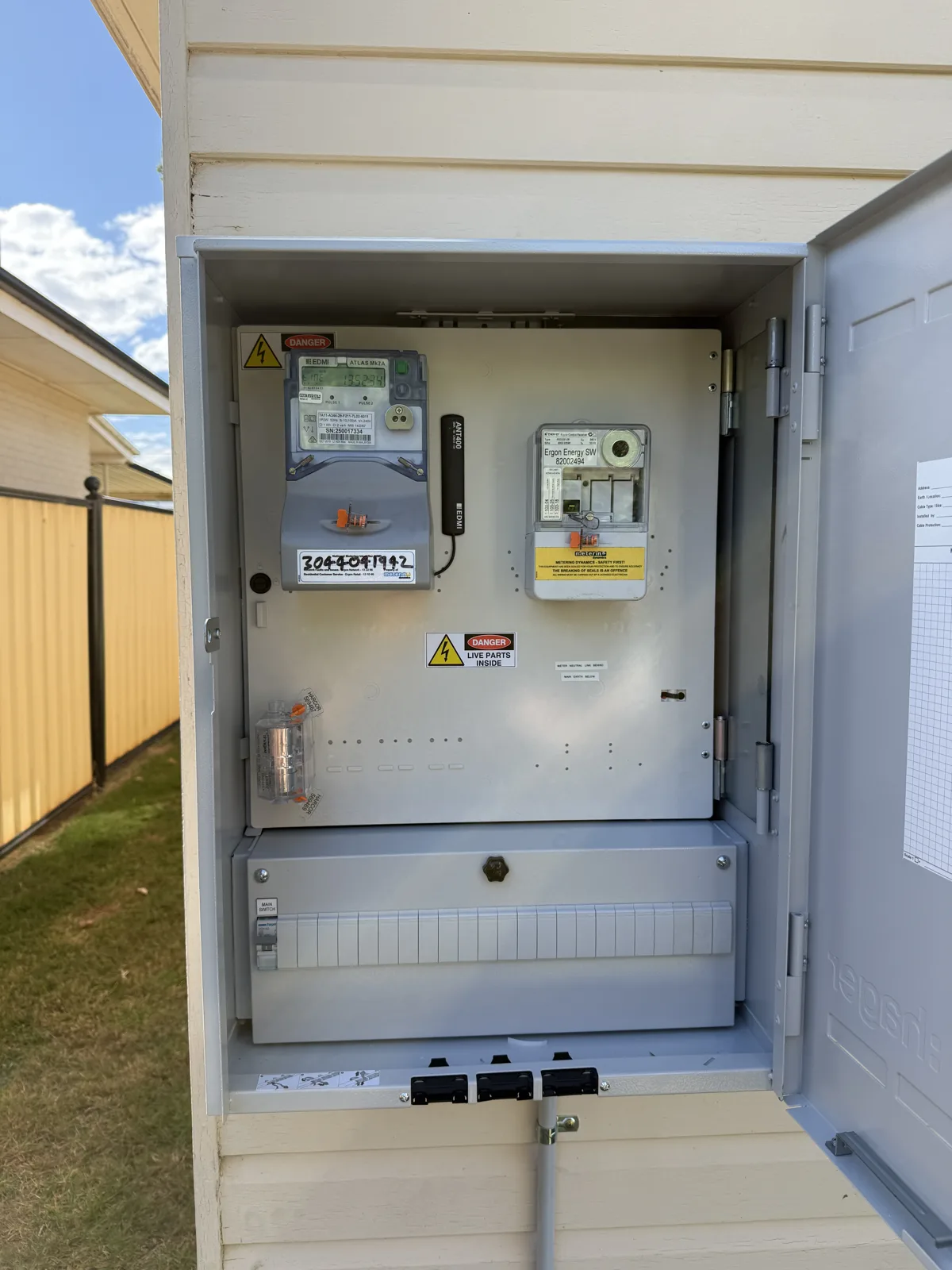
Upgrading Your Switchboard in an Older Toowoomba Home: Safety & Considerations
Is Your Older Toowoomba Home's Switchboard Safe?
Toowoomba boasts many beautiful older homes, full of character and history. However, lurking behind walls, the original electrical switchboard might be dangerously outdated. Decades-old technology like ceramic rewireable fuses simply doesn't offer the safety or capacity needed for modern living. As your local Toowoomba electrician with experience in older properties, G-TEC Electrical explains why upgrading your switchboard is one of the most important safety investments you can make.
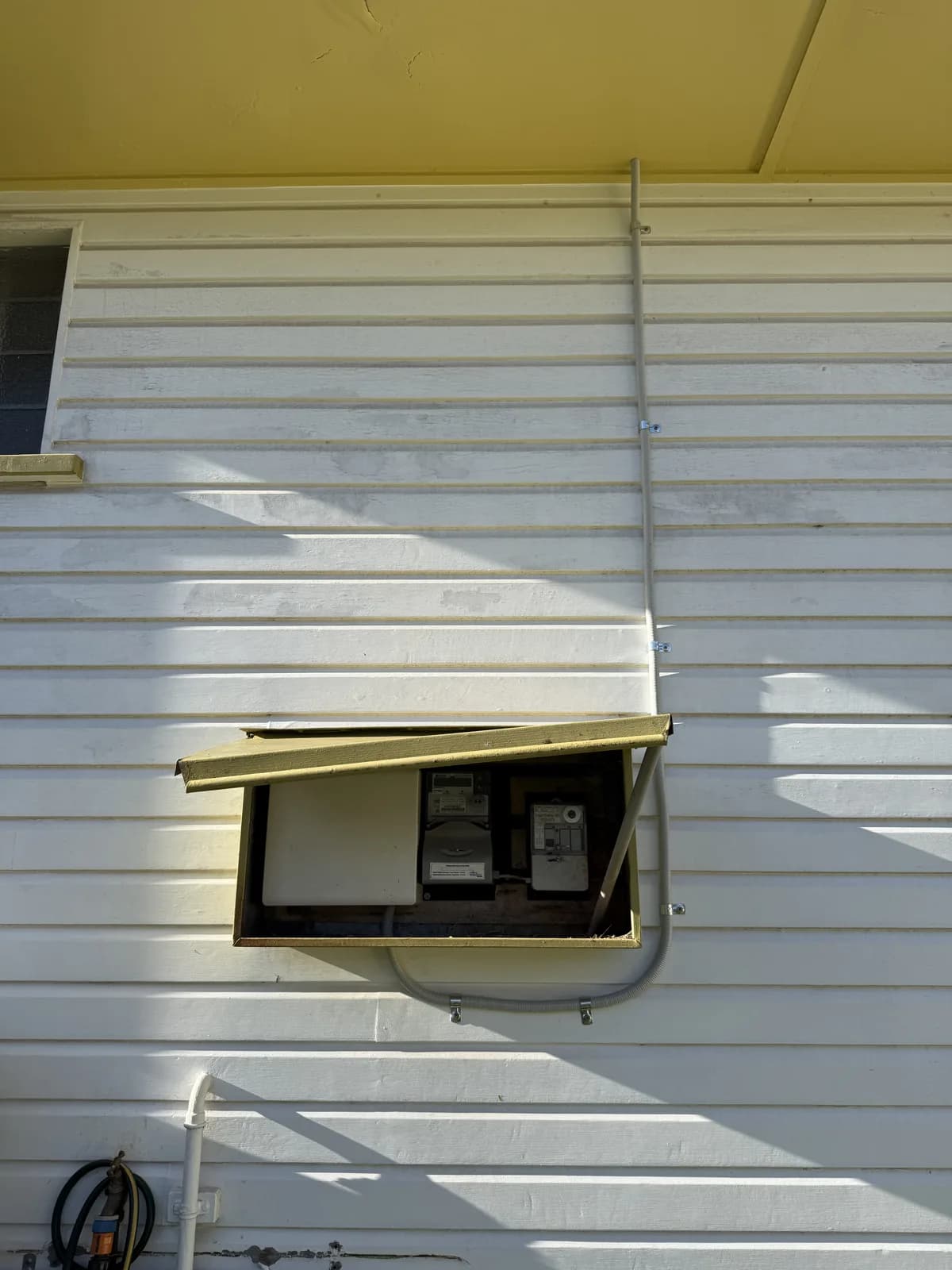
The Risks of Outdated Switchboards (Fuse Boxes)
If your home still has a switchboard with plug-in ceramic fuses, it likely lacks critical safety features and presents several risks:
No RCD Protection: Older fuse boxes typically lack Residual Current Devices (RCDs or safety switches). RCDs are essential life-saving devices that detect electrical leakage and cut power instantly to prevent severe electric shock. Without them, the risk of electrocution is significantly higher.
Fire Hazard: Old rewireable fuses are less reliable than modern circuit breakers at disconnecting power during an overload. Incorrectly "rewired" fuses (using oversized wire) create a serious fire risk as the circuit can overheat without the fuse blowing. Components can also degrade over time, increasing fault potential.
Inadequate Capacity: These old boards were designed for a time with far fewer electrical appliances. They often struggle to cope with the demands of modern kitchens, air conditioning, home offices, and potentially EV chargers, leading to overloaded circuits.
Potential Asbestos: Switchboards installed before the mid-1980s may contain asbestos in the mounting panel (the backing board). This requires careful handling and specific safety procedures by a qualified professional during removal and replacement. G-TEC Electrical is experienced in identifying and managing this situation safely according to regulations.
Key Benefits of a Modern Switchboard Upgrade
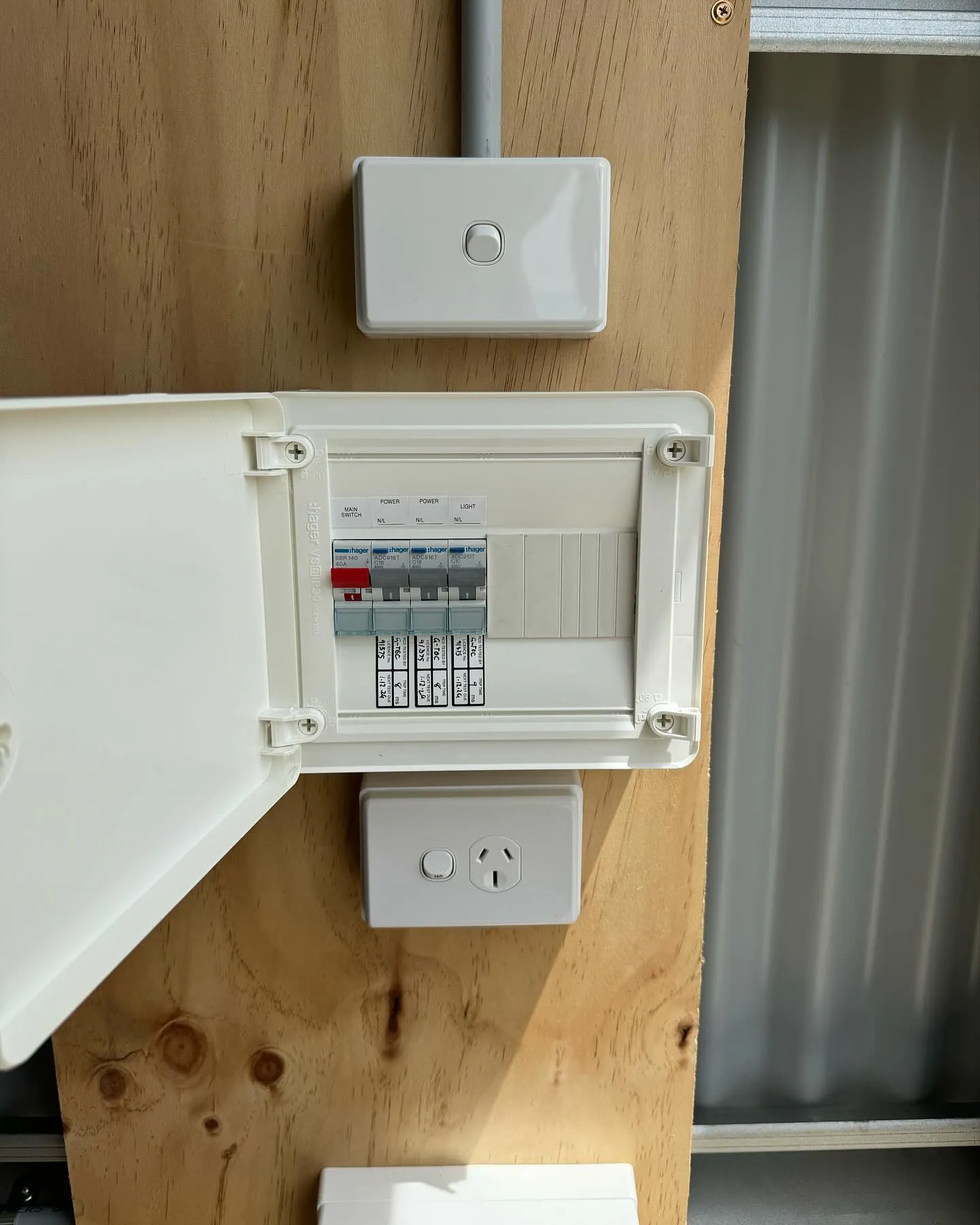
Replacing your old fuse box with a modern switchboard containing circuit breakers and RCDs offers huge advantages:
Massively Improved Safety: Provides crucial protection against electric shock and reduces fire risk.
Legal Compliance: Meets current Australian Standards (AS/NZS 3000) and QLD regulations, essential for safety, insurance, and property value.
Reliable Power: Modern circuit breakers are more reliable and easily reset compared to replacing fuse wire.
Supports Modern Needs: Provides sufficient capacity and circuits for today's appliance usage.
Peace of Mind: Knowing the electrical heart of your home is safe, modern, and professionally installed.
Learn more about our Switchboard Upgrade Services.
What Makes Older Toowoomba Homes Unique?
Toowoomba's older housing stock presents specific challenges that require experienced handling:
Heritage and Character Home Considerations
Many of Toowoomba's older homes—particularly Queenslanders and Victorian-era cottages in suburbs like East Toowoomba, Newtown, and South Toowoomba—feature original timber construction and heritage features. Electrical upgrades must respect these characteristics whilst ensuring modern safety standards.
Timber Wall Construction: Running cables through timber-framed walls requires different techniques than modern brick or plasterboard construction. Experienced electricians know how to route cables without damaging heritage features or compromising structural integrity.
High Ceilings and Roof Spaces: Queenslanders typically feature high ceilings (often 10-12 feet) and accessible roof cavities, which can simplify cable runs but require careful planning for switchboard placement and circuit distribution.
Original Wiring: Homes built before the 1960s often contain VIR (Vulcanised India Rubber) wiring or cloth-covered cables. These deteriorate over time and may need replacement during switchboard upgrades for safety and compliance.
Toowoomba's Older Housing Stock
Toowoomba experienced significant building periods in the 1940s-1960s (post-war housing boom) and earlier federation/Victorian eras. Each period presents typical electrical issues:
Pre-1950s Homes: Often contain ceramic fuse boxes with minimal circuits (4-6 circuits), two-wire systems (no earth conductor), and potentially asbestos switchboard backing.
1950s-1970s Homes: Typically feature ceramic fuse boxes with 6-10 circuits, some earthing (though not to modern standards), and undersized main service cables.
1980s Homes: May have early circuit breaker switchboards but often lack RCD protection on all circuits as now required, and may have insufficient capacity for modern loads.
Detailed Cost Breakdown for Older Homes
Switchboard upgrades in older Toowoomba properties typically involve additional considerations affecting pricing:
Standard Upgrade Costs
Standard Switchboard Upgrade: From $2,000
Includes new switchboard with RCD protection, circuit breakers, installation, testing, and certification. Final pricing depends on the number of circuits, main cable condition, earthing requirements, and complexity of the installation.
For heritage homes, older properties requiring main cable upgrades, asbestos switchboard removal, or extensive earthing work, costs will be higher. Glenn provides a detailed, itemised quote after assessing your specific property so there are no surprises.
Additional Cost Factors Specific to Older Homes
Asbestos Switchboard Removal: $300 - $800
Requires certified asbestos handling procedures, protective equipment, and approved disposal. All switchboards installed before the mid-1980s should be assessed for asbestos content before removal.
Main Service Cable Upgrade: $1,200 - $2,800
Older homes often have 10mm² or 16mm² service cables inadequate for modern loads. Upgrading to 25mm² or larger involves working with your electricity distributor (Essential Energy or Ergon), cable trenching or overhead replacement, and service head modifications.
Earthing System Upgrades: $400 - $1,200
Older homes frequently lack proper earthing systems. Modern standards require earth stakes, earth conductors to all circuits, and main earth bonding to water and gas services.
Circuit Wiring Repairs: Quote required per circuit
If existing circuit wiring shows deterioration, damage, or doesn't meet current standards, repair or replacement may be necessary. VIR wiring or cloth-covered cables particularly require attention. Glenn will assess wiring condition during the quote process.
Heritage Features Protection: Variable
Preserving decorative cornices, timber panelling, or heritage fixtures during electrical work may require additional care and planning.
"Glenn took exceptional care with our 1920s Queenslander switchboard upgrade. He protected the original timber panelling, explained the asbestos removal process thoroughly, and the new switchboard is tucked away exactly where the old one sat. You'd never know major electrical work happened." — Margaret T., East Toowoomba
G-TEC Electrical's Approach to Older Homes
Upgrading switchboards in older Toowoomba properties requires specific considerations:
Thorough Assessment: Careful inspection of your existing board, visible wiring condition, assessment of asbestos potential, and evaluation of your current and future power needs. Glenn will check main cable sizing, earthing system adequacy, and overall electrical condition.
Heritage Sensitivity: Understanding that older homes have character worth preserving. Cable routes are planned to avoid damaging decorative features, and switchboard placement considers both practicality and aesthetics.
Safe Asbestos Handling: If asbestos backing panels are suspected or identified, strict safety protocols apply. This includes:
- Asbestos testing if content uncertain
- Wet removal methods to prevent fibre release
- Approved personal protective equipment
- Sealed disposal in approved containers
- Certification and documentation
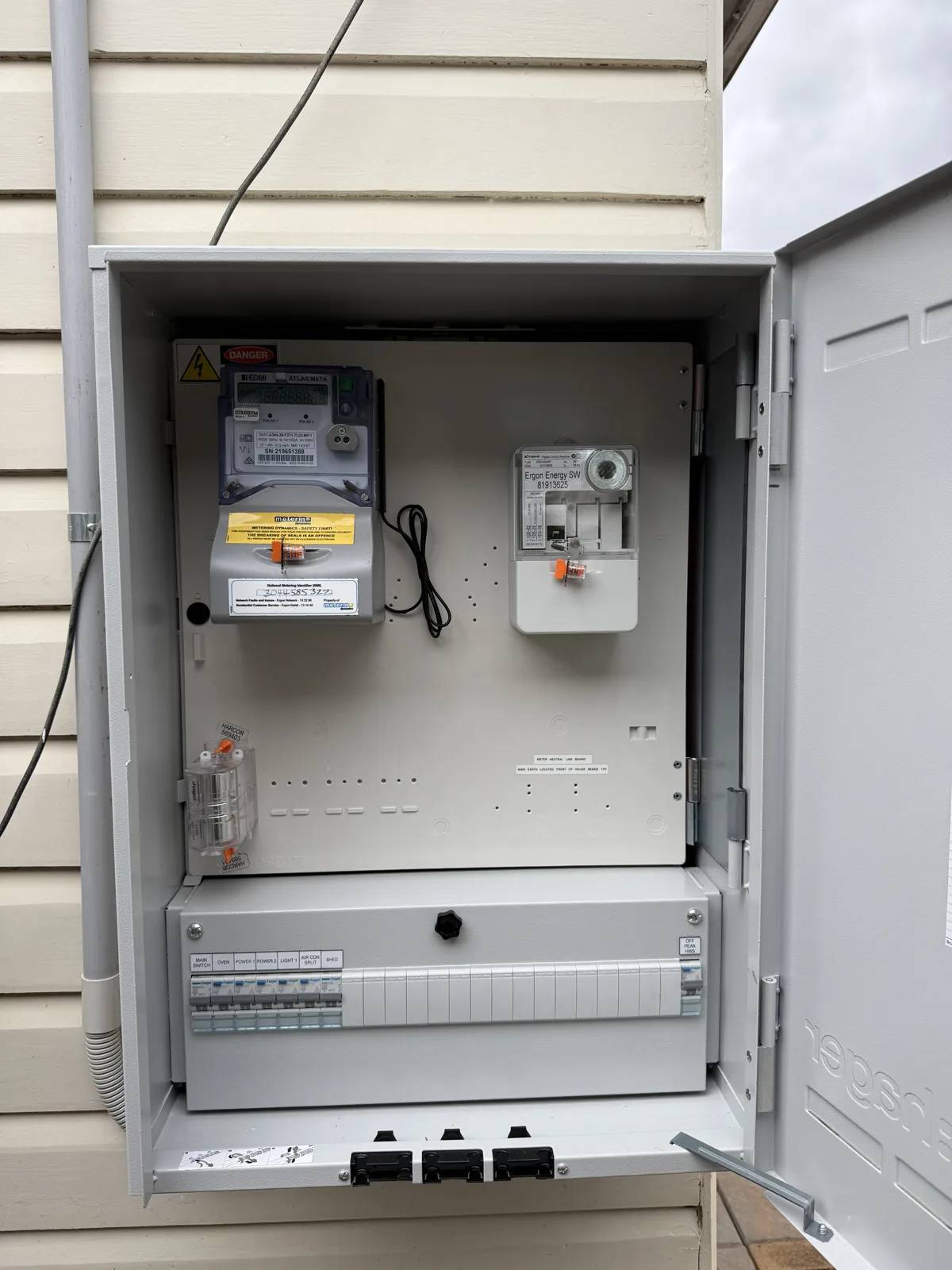
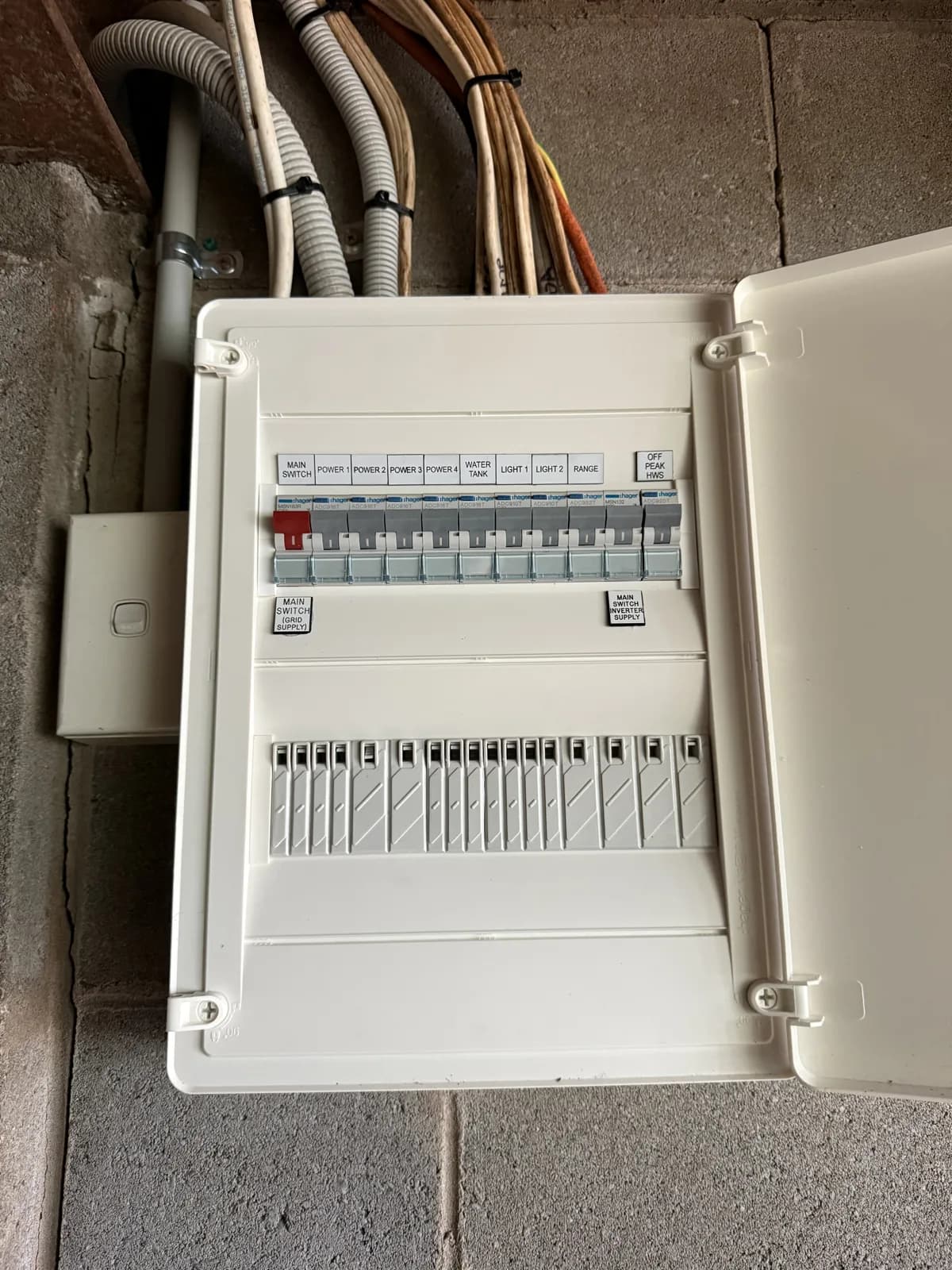
Quality Installation: Installation of high-quality modern enclosures from trusted brands (Hager, Clipsal, Schneider), circuit breakers rated correctly for existing cables, appropriate RCD protection (typically RCBOs for flexibility in older homes with potential nuisance tripping), neat wiring with clear circuit labelling.
Compliance Certification: All upgrades completed to AS/NZS 3000 standards and Queensland Electrical Safety Act 2002 requirements, with Electrical Safety Certificate provided upon completion.
Future-Proofing Consideration: Discussion about potential future electrical needs—EV charging, solar systems, battery storage, heat pump hot water, ducted air conditioning—so the switchboard can accommodate expansion without further major upgrades.
Step-by-Step Upgrade Process for Older Properties
1. Initial Assessment and Quote (30-45 minutes)
Glenn visits your property to:
- Inspect existing switchboard condition and type
- Check for potential asbestos content (pre-1985 boards)
- Assess main service cable sizing and condition
- Evaluate earthing system adequacy
- Understand your current and future electrical needs
- Provide detailed written quote with clear scope of work
2. Pre-Work Planning
- Coordinate power shutdown timing with your schedule
- Arrange asbestos testing if required (results typically 3-5 business days)
- Order appropriate switchboard and components
- Notify you of expected power outage duration (typically 4-6 hours for standard upgrades)
3. Installation Day
Preparation (30-60 minutes):
- Protect surrounding areas (drop sheets, protective coverings)
- Set up work area and tools
- Take "before" photos for records
- Final safety checks
Power Isolation and Old Switchboard Removal (30-60 minutes):
- Coordinate with distributor for supply disconnection if required
- Carefully disconnect and label all circuits
- Remove old switchboard following asbestos protocols if applicable
- Assess cable condition and earthing
New Switchboard Installation (2-3 hours):
- Mount new switchboard enclosure
- Install main switch, RCDs, and circuit breakers
- Connect and terminate all circuits with proper cable management
- Install earth bonding and connections
- Label all circuits clearly
Testing and Certification (60-90 minutes):
- Insulation resistance testing on all circuits
- Earth continuity testing
- RCD trip time testing
- Polarity verification
- Circuit load testing
- Final safety checks
Power Restoration and Handover (30 minutes):
- Restore power supply
- Verify all circuits operational
- Demonstrate circuit layout and labels
- Provide operating instructions
- Issue Electrical Safety Certificate
- Clean up and remove all waste
4. Post-Installation Support
G-TEC Electrical provides:
- Lifetime workmanship warranty
- Manufacturer component warranties (typically 5-10 years)
- Circuit diagram for your records
- Advice on electrical system maintenance
- Ongoing support for any questions or issues
Before and After: What Changes in Your Daily Life
Before Modern Switchboard Upgrade
- Frequent fuse replacements (keeping spare fuse wire on hand)
- Tripping when running multiple appliances simultaneously
- Concerns about electrical safety, especially with children
- Unable to add modern appliances (EV charger, ducted air conditioning)
- Difficulty selling property or obtaining insurance
- Visible signs of aging (scorch marks, corroded connections)
- Limited circuits requiring use of power boards
After Modern Switchboard Upgrade
- Reliable circuit breakers that simply reset if overload occurs
- Life-saving RCD protection on all circuits
- Sufficient capacity for modern appliances
- Ability to add future electrical equipment
- Enhanced property value and marketability
- Insurance compliance and peace of mind
- Clear circuit labelling for easy troubleshooting
- Reduced fire and electric shock risk
- Professional certification documentation
Specific Challenges with Toowoomba's Older Housing Stock
Queenslander Homes
Toowoomba's iconic elevated Queenslander homes present specific electrical considerations:
Underfloor Access: The elevated design provides excellent access for cable runs beneath the floor, simplifying circuit additions compared to slab construction.
Weatherboard Construction: External weatherboards require careful cable penetration sealing to prevent moisture ingress and maintain building envelope integrity.
Subfloor Moisture: The underfloor area can experience moisture during wet weather, requiring appropriate cable selection and protection.
Stairs and Multi-Level Lighting: Multiple entry points and stairs require thoughtful circuit design for convenient lighting control.
Post-War Housing (1940s-1960s)
Toowoomba's substantial post-war housing stock typically features:
Brick Construction: Solid masonry walls make cable routing more challenging than timber-framed construction, sometimes requiring surface-mounted conduit or creative routing via roof and subfloor spaces.
Compact Design: Smaller floor plans with 6-8 main rooms require careful circuit planning to avoid overloading whilst maintaining convenient operation.
Original Fabric: Preserving original features like art deco light fittings whilst upgrading electrical safety requires balancing heritage value with modern standards.
Federation and Victorian Homes
Toowoomba's older character homes (pre-1940s) often feature:
Decorative Ceilings: Ornate pressed metal or timber ceilings require careful cable routing to avoid damage.
Thick Masonry Walls: Double-brick or stone construction makes cable penetration difficult, sometimes necessitating creative solutions.
Irregular Room Layouts: Non-standard room configurations may require additional circuits for adequate coverage.
Gas Lighting Conversion: Some homes retain evidence of original gas lighting, with electrical systems retrofitted over time creating irregular circuit arrangements.