Is Your Toowoomba Home Electrically Safe? 5 Checks You Can Do (and When to Call G-TEC)
Five Things You Can Check Without Picking Up the Phone
Most of the serious electrical problems I find in Toowoomba homes have been sitting there for months, sometimes years, before anyone notices. Not because homeowners don't care, but because nobody told them what to look for. The good news is that a few simple checks, done regularly, can help you spot problems early and know when something needs professional attention.
These aren't replacements for a proper inspection by a licensed electrician. But they'll keep you aware of your home's electrical health between professional visits, and they'll help you catch the kind of warning signs that shouldn't be ignored.
Test Your Safety Switches (RCDs)
Safety switches are the most important protective devices in your switchboard. They're designed to cut power in milliseconds if they detect an electrical fault that could cause shock or fire. Every home should have them, and testing them is dead simple.
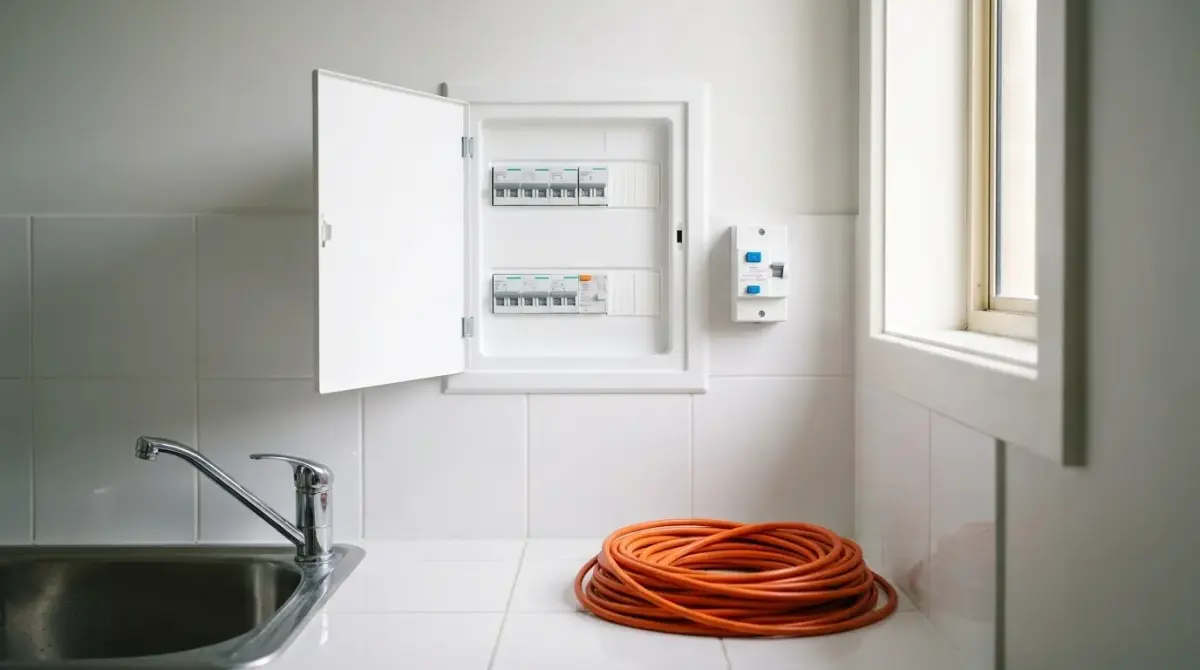
Open your switchboard and look for the switches marked "RCD", "Safety Switch", or with a button labelled "T" or "Test". Most Toowoomba homes should have at least two, one covering power circuits and one for lighting. Press the test button firmly on one RCD. It should trip immediately to the off position, and you'll notice lights or appliances going off on that circuit. That's normal and means it's working. Reset it, then move to the next one.
A functioning RCD will trip within 300 milliseconds. If pressing the test button doesn't trip the switch, that's a serious problem. If it trips but won't stay on when you reset it, there's likely an existing fault on the circuit. And if the switch body feels hot or shows visible damage, stop testing and call a licensed electrician straight away.
I recommend testing your RCDs every 3 months at minimum. Monthly is even better. It takes less than a minute and could save your life. Learn more about our safety switch services.
Test Your Smoke Alarms
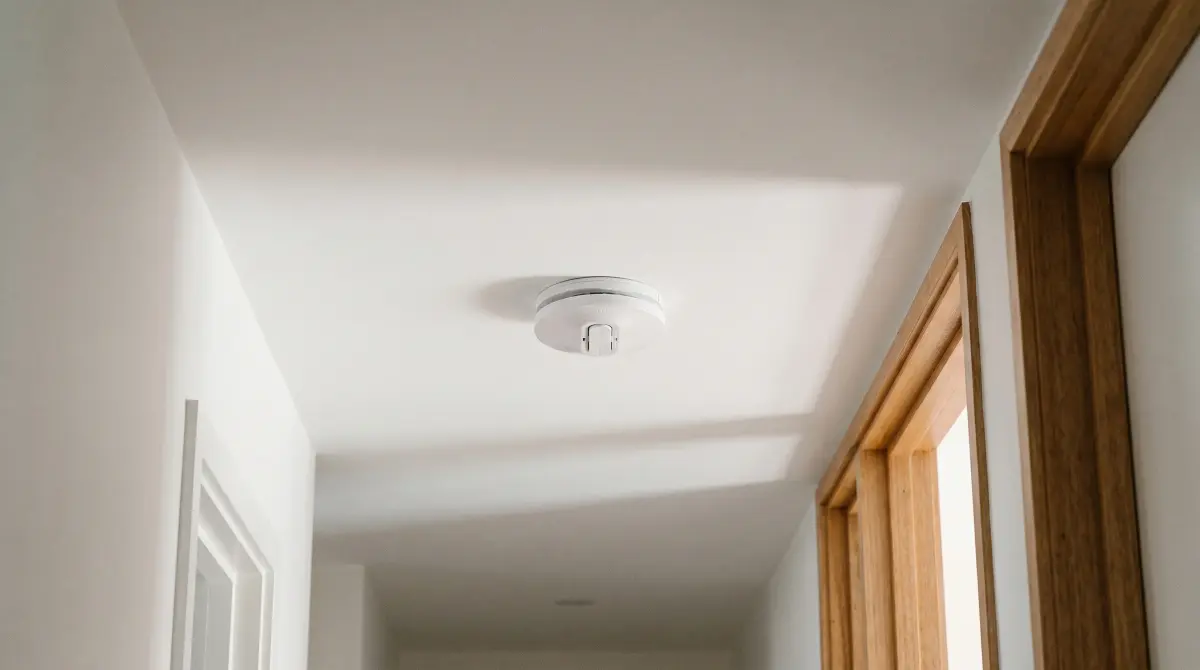
Smoke alarms are your first line of defence against fire, and Queensland legislation requires compliant photoelectric smoke alarms in specific locations throughout your home.
Walk through your house and press the test button on each alarm for 3 to 5 seconds until you hear a loud beep. If your alarms are interconnected (which they should be under QLD law), all of them should trigger together. A weak or absent beep in a battery-powered unit means it's time for a battery replacement. While you're up there, check the expiry date printed on each alarm. Photoelectric smoke alarms have a 10-year lifespan from manufacture, not installation.
Every six months, clean the sensors with a vacuum brush attachment to remove dust and insects that can affect performance. If your alarms are past expiry, ionisation type, or not interconnected, they don't meet current Queensland requirements. Read about our smoke alarm compliance services.
Look at Your Power Points and Switches
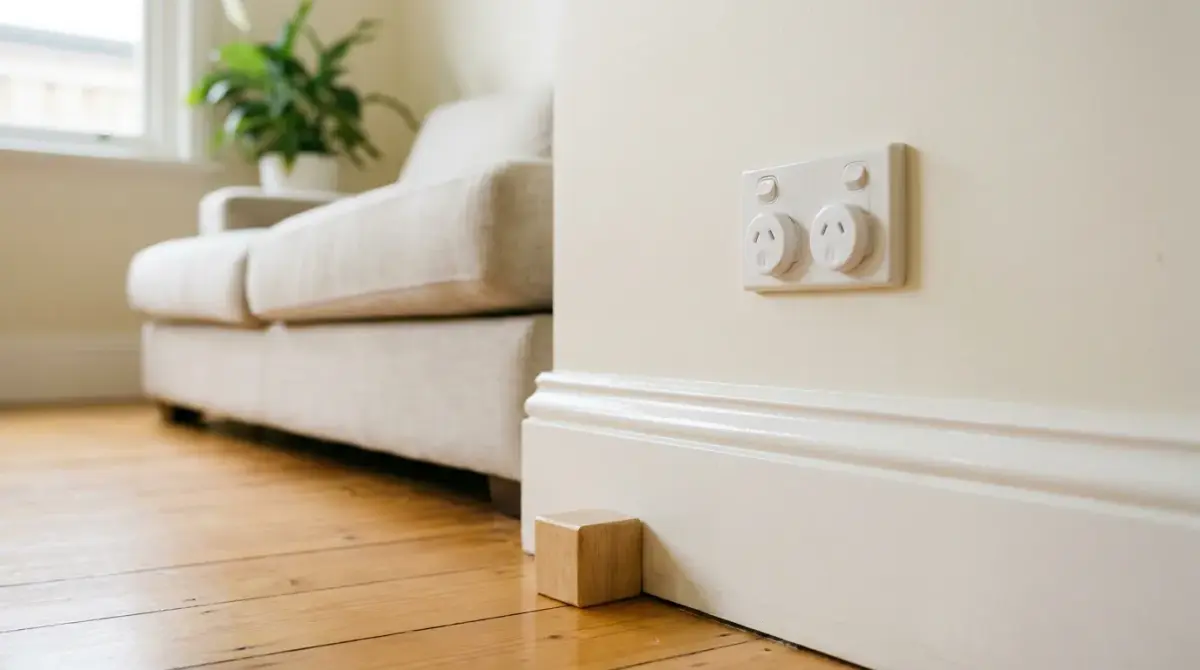
This one takes five minutes and requires nothing more than your eyes and a gentle touch. Walk around your home and look at every power point and light switch. You're checking for cracked or broken faceplates, even hairline cracks. Look for charring, brown or black marks around sockets, which indicates overheating. Check that plates are secure against the wall and not loose or wobbly. Gently touch each faceplate. If it feels warm without recent use, that's a warning sign of loose connections behind the plate.
Don't forget ceiling fixtures and downlights. Flickering lights may indicate loose connections or degraded wiring. Discoloured patches on the ceiling around light fittings suggest heat buildup. And check outdoor installations for rust, corrosion, cracked weather seals, and any signs of water ingress.
If you spot anything concerning, stop using that fitting and contact G-TEC Electrical. See our power point services.
Want this sorted properly?
Glenn quotes most Toowoomba jobs within 48 hours, and the person who quotes is the person who turns up.
Inspect Your Appliance Cords and Plugs
Damaged cords are one of the most common electrical hazards in any home, and they're easy to overlook. Check the cords on frequently used appliances, especially kettles, toasters, hair dryers, and power tools. Look for fraying, cuts, crushing, or any exposed wires. Check plugs for bent or damaged pins.
If you find damage, stop using the appliance immediately. Either have the cord professionally replaced or discard the appliance safely. Never use tape to repair a damaged cord, as it doesn't provide adequate insulation and creates a false sense of security.
Watch for Circuit Overloading
Circuit overload is one of the most common electrical problems in Toowoomba homes, especially in older houses that weren't designed for today's electrical demands. A kitchen circuit running a kettle, toaster, microwave, and air fryer simultaneously can easily exceed its 20-amp rating. Home offices with computers, monitors, printers, routers, and charging stations create substantial cumulative loads too.
The warning signs include circuit breakers tripping repeatedly when specific appliances are used, lights dimming or flickering when large appliances start up, outlets feeling warm during use, and power boards with multiple high-wattage appliances plugged in. If you're daisy-chaining power boards (plugging one into another), that's a fire risk that needs addressing.
The fix is usually distributing high-wattage appliances across different circuits, avoiding daisy-chaining, and having additional circuits or power points installed where needed.
What You Can Do Yourself vs What Needs a Professional
Queensland law is very clear on this, and it's worth understanding the boundary. You can safely test safety switches and smoke alarms by pressing the test button. You can do visual inspections of fittings, looking but not touching internal components. You can unplug appliances, change light bulbs with equivalent wattage (always turn off the switch first), and inspect cords for visible damage.
Everything else requires a licensed electrician. That includes any fixed wiring work, switchboard modifications, outlet and switch installation or replacement, appliance hardwiring, and any electrical repairs. The Queensland Electrical Safety Act 2002 makes unlicensed electrical work illegal with fines up to $40,000, and your insurance may be voided if unlicensed work causes damage. Electrical work involves lethal voltages. Mistakes can cause fires, electric shock, or death. It's not worth the risk.
Call G-TEC Electrical immediately if you experience frequent RCD or circuit breaker tripping, any electric shock or tingle from appliances or taps, burning smells or sparks from outlets or your switchboard, warm outlets without recent use, visible damage to fittings, or RCD test failures.
Why Annual Professional Inspections Matter
Your monthly DIY checks maintain awareness, but they can't catch everything. During professional inspections, I routinely find problems homeowners had no idea existed. Ceramic fuse switchboards lacking RCD protection. Inadequate RCD coverage with a single RCD trying to protect every circuit. Ageing rubber or cloth insulated wiring. Non-compliant smoke alarms. Evidence of previous DIY electrical work. Overloaded circuits running well beyond their rated capacity.
A professional inspection covers switchboard assessment, RCD performance testing to verify the 300-millisecond trip requirement, wiring condition evaluation, outlet and switch testing including resistance and load testing, earthing system verification, smoke alarm compliance checks, and load calculation assessments.
Inspections are particularly worthwhile if you're purchasing a property (catch issues before you settle), renovating (identify capacity requirements before work starts), living in an older home (pre-1990 properties need more frequent attention), managing rental properties (stay compliant with landlord obligations), or adding major appliances like air conditioning or EV chargers that require capacity assessment.
Call Glenn on 0489 082 307 or book a safety inspection to get your Toowoomba home checked properly.