Storm Season in Toowoomba: Essential Electrical Safety Preparations
Getting Your Toowoomba Home Ready for Storm Season
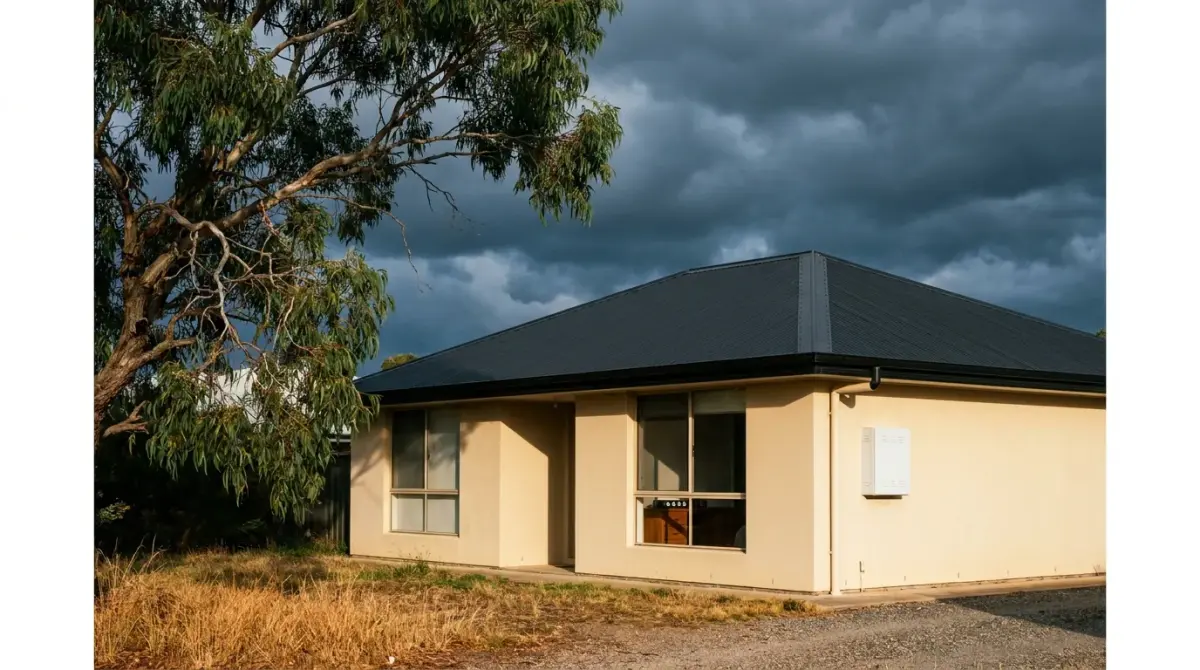
Toowoomba and the Darling Downs cop it during storm season. From October through April, with the worst of it typically between December and February, we get intense thunderstorm activity driven by high temperatures, humidity, and unstable atmospheric conditions. These storms produce damaging winds that can exceed 100 kilometres per hour, large hail, and frequent lightning strikes. The Queensland Fire and Emergency Services actively monitors storm activity during this period and issues warnings when severe weather approaches.
The impact on your home's electrical system can be significant. Power outages, surges from lightning strikes, water ingress into wiring and fittings, and physical damage from fallen branches all pose real risks. Taking some preventative steps before the season hits, and knowing what to do during and after a storm, makes a genuine difference to your family's safety.
Before the Season Starts
The most important pre-storm check is your safety switches. Press the test button on each RCD in your switchboard and confirm they trip correctly. Do this every few months regardless of weather, but it's especially important before storm season. If any RCD doesn't trip when tested, call me immediately. Functioning safety switches are vital during storms when water ingress can cause electrical faults. Test Your RCDs
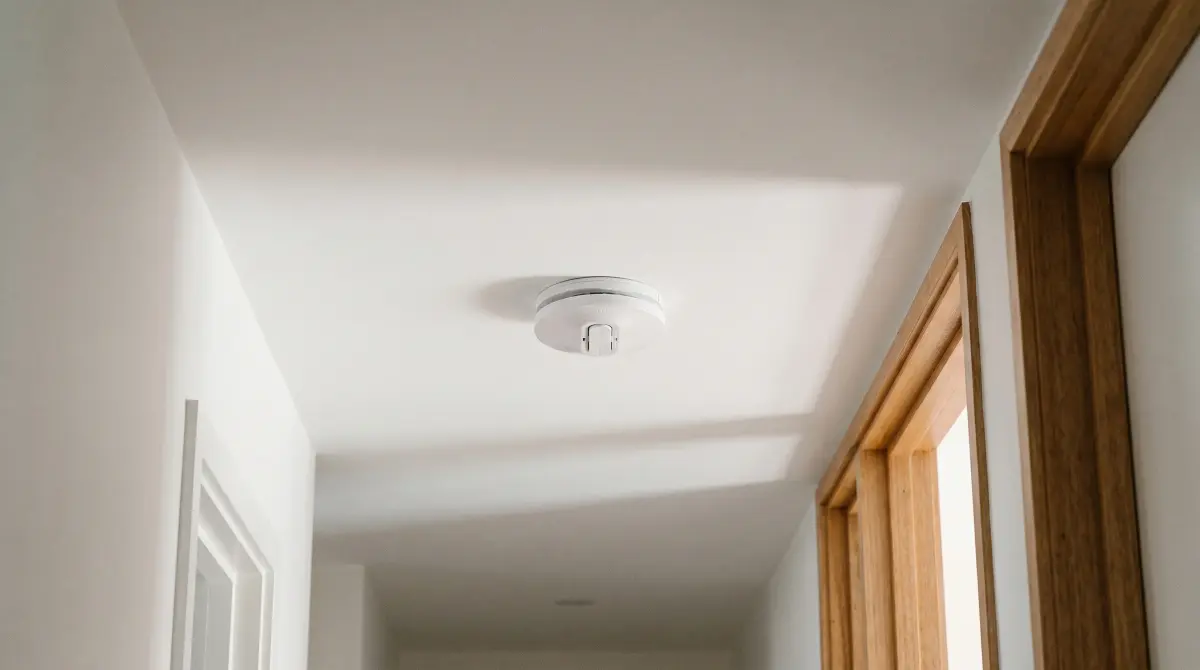
Test your smoke alarms monthly using the test button and make sure they're the interconnected photoelectric type required by Queensland law. If a storm-related electrical fire were to occur, working smoke alarms are your family's early warning system. Check Smoke Alarm Compliance
Inspect trees on your property carefully. Branches close to or overhanging the powerlines connecting to your house, or the street powerlines, need to be trimmed by qualified tree loppers well before storm season. In Toowoomba, many established suburbs feature large eucalypts and gum trees that are particularly susceptible to storm damage. Never attempt to trim trees near powerlines yourself. It's extremely dangerous and illegal without proper qualifications. If branches are touching or close to street powerlines, contact Energex or Ergon Energy rather than trying a DIY solution.
Securing Your Electrical Fixtures
Outdoor electrical fixtures take the brunt of storm damage. Walk around your property and check that all external lights are firmly mounted with no loose screws or brackets. Verify the weatherproof seals around fittings are intact. Make sure all exterior power point covers close properly. Solar or low-voltage garden lights should be staked securely or brought inside temporarily during severe storm warnings. Remove or store any extension cords, fairy lights, or temporary outdoor electrical equipment.
Roof-mounted equipment deserves special attention. If you have solar panels, check that the inverter is securely mounted and all conduit and cabling is properly fastened. After major storms, monitor your solar system's performance for drops in output that might indicate panel or inverter damage. Split-system air conditioning outdoor units should be securely bolted to their mounting brackets with any loose debris cleared from around them. TV antennas and satellite dishes, particularly older ones showing corrosion, may need bracket tightening or replacement. Ensure roof-mounted exhaust fans and bathroom vents have their covers securely fastened.
If you're unsure about any of this, a pre-season inspection is a worthwhile investment.
Lightning and Surge Protection
Lightning strikes are a serious risk during Toowoomba's storm season, and no system provides 100 per cent protection. But several measures significantly reduce your risk.
A switchboard-mounted surge arrestor is the most practical protection for most homes. These devices divert excess voltage from lightning strikes or grid surges to earth, protecting your wiring and connected appliances. Your home's earthing system is critical for this to work effectively. Regular inspections ensure that earth rods and connections remain solid. In areas with rocky soil like parts of Toowoomba, special earthing arrangements may be necessary.
A word about plug-in surge protector power boards, because I get asked about these constantly. From extensive professional experience, these devices often cause more problems than they solve. They're designed to sacrifice themselves during even minor voltage fluctuations where your appliance would have been perfectly fine. Once that internal protection activates, the surge board itself can become faulty, frequently leading to nuisance tripping of your safety switches. I've been called out to diagnose what appeared to be a power fault more times than I can count, only to find a spent surge protector board was the culprit.
For most household appliances, a standard good-quality power board is generally sufficient. The one exception where a point-of-use surge protector might make sense is for highly sensitive electronic equipment with irreplaceable data, like your main computer system. For broader protection against appliance damage, review your home and contents insurance policy for motor burnout or fusion cover, which often provides a more comprehensive solution for appliance replacement than surge boards do.
Want this sorted properly?
Glenn quotes most Toowoomba jobs within 48 hours, and the person who quotes is the person who turns up.
Your Pre-Storm Checklist
When severe weather warnings are issued, a few quick actions protect your home and equipment:
- Turn off and unplug non-essential electronics like computers, TVs, and gaming consoles
- Close all windows and doors to prevent water getting near electrical outlets
- Check that your switchboard is accessible and clear of obstructions
- Make sure your emergency kit has torches with fresh batteries, a battery-powered radio, and a charged power bank
- Know how to locate and operate your main power switch
- Save G-TEC Electrical's number (0489 082 307) in your phone
Include a basic first aid kit and any necessary medications in your emergency supplies. Keep everything in an easily accessible spot that all family members know about. Avoid candles due to potential gas leak risks and stick with battery-powered torches.
Backup Power Options
Power outages are common during severe Toowoomba storms. If you have a portable generator, test it before storm season and never operate it indoors or in enclosed spaces due to carbon monoxide risks. Keep generators at least 10 metres from your home and away from windows or doors.
Home battery systems like Tesla Powerwall provide seamless backup for essential circuits during outages, automatically switching to battery power when the grid goes down. These are particularly valuable for powering medical equipment, refrigeration, and communication devices.
For homes with generators, a transfer switch safely connects generator power to your electrical system and prevents back-feeding, which can endanger line workers and damage equipment. Transfer switches must be installed by a licensed electrician.
During the Storm
If a severe electrical storm is approaching with significant lightning, unplug valuable electronics from the wall socket. Avoid landline phones, as telephone lines can conduct electricity during a lightning strike, and use your mobile instead. Stay indoors and away from windows. Avoid using sinks, showers, or baths during lightning storms because metal pipes can conduct electricity.
If water enters your home near power points or appliances, turn off power to the affected circuits at the switchboard if it's safe to do so. If you're unsure, or if the switchboard area itself is wet, call for emergency electrical assistance immediately. Don't take chances with water and electricity.
After the Storm Passes
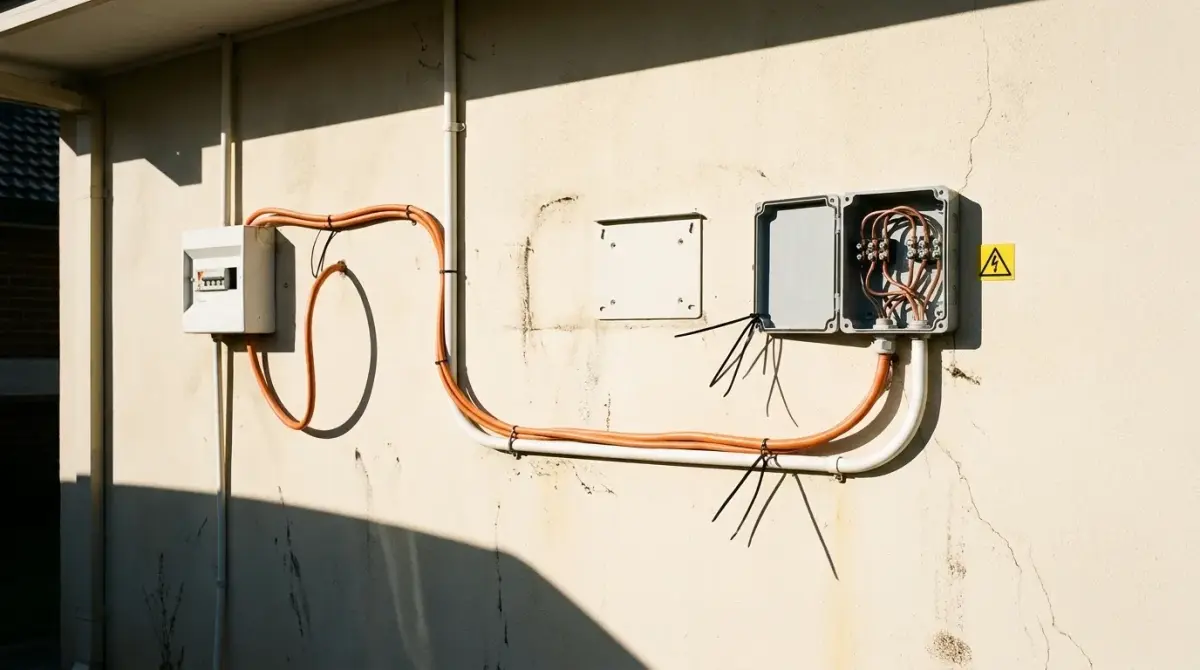
Once conditions are safe, walk around your property and look for damaged or hanging electrical wiring, bent or broken service lines, damage to your switchboard or meter box, dislodged outdoor light fixtures, and fallen branches that may have damaged hidden wiring.
If you detect any burning smells or see smoke around electrical outlets, switches, or your switchboard, do not turn power back on. Call a licensed electrician immediately. Test each safety switch by pressing the test button, and if any doesn't operate correctly, there may be storm damage requiring professional inspection.
Before using appliances, visually inspect them for frayed cords, water damage, or burn marks. Any electrical equipment that has been submerged or exposed to water should be considered unsafe until professionally tested. Document all damage with photographs for insurance purposes before beginning cleanup.
If you have solar panels, check your inverter display for error codes. Significant drops in power output may indicate panel or wiring damage that isn't immediately visible.
Fallen Powerlines
Fallen powerlines are among the most dangerous storm-related hazards. Stay at least 8 to 10 metres clear and assume they are live even if they're not sparking. Electricity can travel through the ground and through objects in contact with the line. Report fallen powerlines to Energex on 13 19 62 or Ergon Energy on 13 16 70 immediately. Call 000 if the situation appears life-threatening.
Never touch anything in contact with fallen lines, including trees, fences, vehicles, or puddles. If you're in a vehicle that contacts a powerline, stay inside if possible. The vehicle's rubber tyres provide insulation. If you must exit due to fire, jump clear without touching the vehicle and ground simultaneously, then shuffle away with small steps keeping both feet together.
Power Restoration
If power returns to your neighbours but not your property, check your switchboard for a tripped safety switch or circuit breaker. Try to reset it once. If it trips again, call G-TEC Electrical to investigate the fault.
When power does come back, switch on appliances gradually rather than all at once to prevent a sudden surge that could trip your safety switches again. Check food in refrigerators and freezers for spoilage if power was out for an extended period. Some appliances may need manual resetting of clocks, timers, and programmed settings.
Keep an eye on your electrical system for the first 24 hours after power restoration. Flickering lights or intermittent tripping can indicate storm damage that isn't immediately obvious.
Insurance Claims
Proper documentation streamlines insurance claims for storm-related electrical damage. Photograph all damage before cleanup, including wide shots for context and close-ups of specific damage. Keep receipts for any emergency repairs and note the time and date of the storm event. Most insurers require a professional assessment from a licensed electrician before approving claims, and I can provide written damage assessments to support your claim. Keep damaged items until your insurer confirms disposal, and contact your insurance provider as early as possible after discovering damage.
Be Prepared, Stay Safe
Storm season is part of life in Toowoomba. Preparation, awareness, and knowing when to call a professional are your best protection. If you have concerns about your home's electrical preparedness, need surge protection installed, or require assistance after a storm event, give me a call on 0489 082 307.
Emergency contacts:
- G-TEC Electrical: 0489 082 307
- Life-threatening emergencies: 000
- Fallen powerlines: Energex 13 19 62 or Ergon Energy 13 16 70
- Gas emergencies: 1800 427 532